AN HOUR WITH TEAM HEAGUE by Thomas Miller.
Firstly, I would like to take a moment to introduce myself.
I’m one of the sons in the partnership of Miller & Sons, members of the Princes Park HS, well, when I say partnership, for the last 15 years or so I’ve been racing solo, as both my dad and brother lost their love for the sport and sadly parted ways with the partnership.
I first started showing an interest in the sport at the age of 5, when I used to go into the lofts with my dad and that’s when the ‘pigeon bug’ took a hold and the rest is history, 26 years later, a son of my own, and now here I am compiling my first article as a scribe on behalf of the North Liverpool Federation.
Over the years, our fed has had some fantastic scribes, scribes who made the task in hand look effortless and produced first class articles, articles I have and will continue to look back on for guidance as I explore some of the many quality lofts within our city.
Recently, as secretary of the Princes Park HS, I was doing the dreaded job I always tell myself I will do weekly, in order to save the hours of writing and flicking back and forth through a season long set of results, that job being the 2022 season prize cards. When will I take my own advice? When will I stop telling myself it won’t take all that long if I do them in September which then turns into October and before I know it, it’s the evening before our club meeting and now I must sit down and get them done! That night I went to bed with a name rolling around my brain, the club premier prize winners Team Heague. Their collection of prize cards seemed to have no end, 52 in total, 10 red cards and a weight heavy enough to wedge a fire escape door open.
So, without further ado, pop the kettle on, sit back and come and visit the lofts of Team Heague.
TEAM HEAGUE
2022 Season Highlights:
Premier Prize winners Princes Park HS
10x1st 11x2nd 9x3rd 11x4th
2nd,3rd and 4th North Liverpool Fed Monmouth
Club bird of the year
RPRA Meritorious Award 0-250m
Tell me a bit about yourselves?
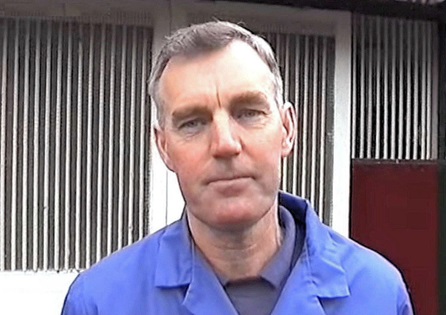
DH: We are brothers, I Danny am the eldest, I’m 59 and John is 51.
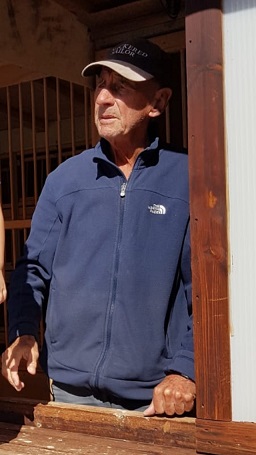
Danny Heague Snr
How was the partnership ‘Team Heague’ formed?
JH: It started many years ago when I wanted pigeons, but my dad wouldn’t let me have them. A few of my uncles, Birdie and John in Speke were pigeon men though and I used to go up on the bus on race day and wait for them to clock in. Then they would go the pub and I would stay in the garden and catch the strags that would come with their late ones. I would take them home, but my dad would find them and make me let them go. In the end, I talked him around and he let me have 2 pigeons. We built a little rabbit hutch and put it on the wall in the back yard in Admiral Street.
When I was 9 years old, old John Heague gave me this black’un, it was called Spanish Highway and it was 24 years old. He was lovely and had massive wattles but couldn’t see beyond them or eat as a result. You had to feed him by hand because he couldn’t see the corn, couldn’t see the water, it was absolutely useless but he was my first genuinely owned racer.
Spanish Highway had a good story behind it, he belonged to a guy called Roy Humphries, the milkman from Halewood. He was quite a well known pigeon fancier back in the day, one of the greats if you like. The pigeon was raced from Spain one year and it was found on Higher Road in Halewood and handed in to the RSPCA. Roy lived around the corner, so he went and got it, and that’s how it got its name, well what that was the story anyway.
I then went and got a white’un out the nest from a stable in Elmswood Road where a friend of the family kept some horses. I had a long term aim of pairing this youngster to Spanish Highway not understanding that it was a cross fantail and thus, was useless for racing purposes.
I used to take her to Princes Park and let her go and wait all day for it to come home and eventually my dad started to get the bug, so he decided to build a pigeon loft in the garden. We only had a little garden, so we built it in pieces in the house cellar and then erected it outside. It was built in about 1980 and is now standing in Birdie Cotter’s garden and it is still perfect.
We had the pigeons there for less than a year before we moved to these new houses. We brought the pigeon shed with us and raced here as D Heague & Son for a few years, by which time, my dad was well and truly hooked.
We raced Barkers at the time from Tommy & John Walton, who raced to a location that can only be described as a pigeon mecca, on the allotments by Tranmere. There were lofts all over their plot, full of silver blues, mealies and yellows. The Waltons were winning loads, racing widowhood when it was becoming a thing. We got a couple of pigeons off them and they were coming well, winning young birds races.
Another guy who was well respected around here as a good pigeon flier was Alan Morris. He had taken a shine to me because of my keen interest in pigeons. Alan lived by the Lothian Pub just down the road and I found out he was packing up.
My dad asked Alan if he had a good pigeon to sell us and we bought a hen, ring number 888, it was a Dordin and was super tame, as you like them. You would go into the shed and she would be crowing and bowing to you. I used to sit in the shed throughout the winter pairing up to her and she would come and sit on my shoulder, she was like a pet.
When we came to race her, she won on the channel a few times. At the time, you had 2 Sartillys followed by 2 Rennes races, so she went to the first two and won both. My dad then lost his bottle and was like, let’s not send it again, it’s a champion! she’s won 2 races, but I wanted to race her.
Conversations at this time usually went as follows: I want to do this, that and the other and my dad was like no, I’ve read the book, you can’t do that, you have to do it this way. So, in the end I was like, you can keep the pigeons then I’m going fishing and that was it, even though the partnership had been successful.
There was a constant clashing of ideologies. He wanted to try stuff I didn’t and I wanted to be the boss, although I was still only a kid at the time. It had to be this way, and if it can’t be my way, I’m not doing it, so it all fizzled away about 1986. Life happens, you grow up and go and do your own thing, which brings me to about 1991.
My uncle, Birdie Cotter, is a pigeon lover. He had lovely pigeons and one day I said to him I am dying to have another go, can I race your pigeons, from your garden? I lived in Woolton at the time with a tiny back yard and he had a big 150ft garden with a lawn on it and pigeon lofts, like the Waltons set-up, it was a mecca for racing pigeons. Birdie agreed, but he was a nuisance for feeding when I wasn’t around.
He worked nights, so he would go and feed them at dinner time when he got up, but I had already been and done them. I’d had them training and flying on rations and so I had to hide the corn from him!
The pigeons were every age up to about 5 years old but they had never seen a basket. I trained and raced them and when racing came along we took a load of cards, in fact it was the best year he had ever had.
Even though we won with both old and young birds, I had to call it a day as the meddling, especially on a Friday, when you want the pigeons a little bit sharper for the race, became too much.
They would be bagged out and couldn’t get to the perch. Birdie was old school and believed you had to feed them up on a Friday, but they had been prepped earlier in the week and so once again, a family tandem fizzled away.
Eventually, I got into Birmingham rollers. I was mesmerized by them, pigeons doing summersaults, how can pigeons do summersaults!?
So, I got into that and was bugged on it. I started flying roller pigeons, going around the country, winning major competitions, the all England, the National and I was in the World Cup.
When the loft was at its best, I was ranked 4th in the world which is quite something. I went around the country a couple of times judging and also went to Holland, Denmark and Belgium, at the time I was probably the best in the UK that year.
My job changed and I started working from home and I thought, right that’s it, I needed racing pigeons, so I started up in my own garden. I built a 12ft shed as space was at a premium, 4’x6’ was for young’uns and the other 8’x6’ for old birds.
I raced 12 widowhood cocks in the big section, but I started with some late-breds. I raced them as yearlings and the club was quite competitive at the time, this was around 2005/6 and for me, the best fliers in the club were, yourselves (Miller & Sons), Sid Powell, Lol Rigby and Dooley, Rowan & Chapman. The Princes Park is no push over, as there are currently 5 North West Combine winners competing within the club.
We took 2 or 3 x 2nd clubs, against these mustard pigeon men and I was quite chuffed with that. With the young birds, we took a load of cards and that was it, I was racing.
My dad was coming down doing his thing and being nosey, but he was proud of the fact that we had the pigeons. They were doing well and he was getting involved with something that was really good. For me that sort of worked, although we weren’t partners at the time, he was there.
He was never out of the house; he would be there 3-4 times a day so I capitalised on it. For the likes of training, he would be great for shaking the tin. If I had to go out to work, he would let them out at set times, everything was running like clockwork which is what you need of course.
We raced there for 10 years maybe and we grew a little bit there as we had the appetite to win more, topping the fed was the aim. The 12ft shed became the widowhood shed and just within the doorway I built boxes.
I raced 16 cocks then and I had 16 hens in little boxes in the corridor which I used to race on a Wednesday and they were coming well, winning from the get-go.
When we were down there, we topped the combine, which was something special. The convoy had been held over to a Monday and my dad was fully into it by this point as was Danny.
We were all having a go then, we were all doing our share and everyone was interested; me, my lad, Danny, his lad would come around, my Mam and Dad also.
Everyone in the family was into it, it became a family thing, so instead of it being J Heague, Mother & Daughter or whatever, it became Team Heague.
It made sense but it was quite a controversial move. Certain people didn’t like it because it was too modern for the pigeon game, but we are who we are and that’s how Team Heague came about.
In 2014 we moved the lofts to where we are now, it’s a community centre back garden. It was a dumping ground and the housing association used to pay £1000 a year to get the area cleaned up because there were couches, rats and all sorts dumped in this back garden.
So, we had a brainwave, why don’t we take that land? We get the space and the loft we want, and we keep it clean for the housing association which saves them the outlay every year.
Just before we moved into there, there were a couple of things we changed in my back garden. We ended up with 2 sheds, the garden was only 25ft square and it had two 12ft sheds in it, it was tricky.
I then convinced the neighbour into letting me have the entry, so I put a gate across it and put another shed there. We now had 3 sheds, 36ft of pigeon shed almost in 3 separate postcodes.
We decided that if we get the dumping ground we can put it all into one shed, that was about 2014. We had 1 young bird race there, won it and then stopped the birds until yearlings the following year and started winning from the off.
One thing I would like to mention is that people have outdated ideas, such as you will never win in a brand new loft etc, what a load of nonsense that is. They also say you have to race them all the way to the coast to make them good as old birds, no you don’t. If they are good pigeons and you look after them well, you know what you are doing and apply common sense then they are going to win anyway.
So, we won in a brand new shed, which goes against the grain of what is for some accepted wisdom and what we’ve done many times is given pigeons a couple of races, knocked them off and then no one can catch them the following year. They don’t need to have 7 races to learn anything, you don’t have to train them hard either, that’s just another fallacy.
I suppose one of the best pigeons we have ever had was a late-bred. When he raced he won the first race and took 6 cards out of 8 races in total.
He had only ever been driven to Asda as a late-bred when I was doing my shopping and thrown out the window. So maybe on race day when he got to Hunts Cross, he knew where he was, who knows!?
Prior to racing pigeons, did either of you have any other hobbies and do you still partake in them?
JH: I have always been bird mad since I was a kid, absolutely bird crazy. I have had all sorts, canaries, British finches, mules and hybrids, fancy pigeons, kestrels and sparrow hawks. I even bred goldfish; I’ve always been involved with different types of livestock.
We were brought up on Dad’s boat which was moored down on the docks, back in the slum days of the 70’s, so we’ve always been around fishing and stuff like that, we would all go fishing as kids.
We learned to swim in the River Mersey, as that’s the way it was apparently. Dad would throw us in with a rope attached and tell us to kick and that’s how we learned to swim.
For me, going down the boat was a win-win, you had the boat, fishing and thousands of pigeons everywhere. I just loved it down the docks years ago, and your dad Les will remember this, because this is how I met him, there were pigeons everywhere and racers used to drop in with them.
You had the silo, endless warehouses, the Albert Dock when it was all derelict, the gate-keepers house. All those places were my kindergarten really and they were full of pigeons, I met other staggers and we used to compete to catch the best racers down there. Les Miller, Neil Johnston, Steve McDonald and Stephen Foster.
I used to do a lot of coarse fishing with Danny and my Dad. We then found out about carp, so we started going carp fishing and again, that became a big thing for all 3 of us, travelling to France every year, a couple of times a year sea fishing, coarse fishing, match fishing, carp fishing and then hunting came in.
We started going ferreting, then we had hawks, falcons, dogs, started shooting, everything to do with the great outdoors. It’s all associated with livestock and being involved with livestock in every form really.
There are probably not many animals we haven’t had; from parrots, to foxes, to monkeys, we’ve had the lot.
Do either of you hold any roles within your club/organisations?
JH: Danny is chief moaner, but unfortunately for me, my burden is I’m an organiser, an administrator, it’s like second nature to me. I can’t sit around and watch things happening. If it’s not being done right, instead of saying what you want to do is this, I’ll say I’ll have a go and if it works, maybe someone else will follow suit afterwards.
I try and do it to benefit the sport, (or whatever it is that I am doing it for), but more importantly to try and steer other people, because if I can show somebody, that’s a lot better than telling someone how to do it. That is my approach.
What I do for me, probably won’t work for you, you have to find it with your own eyes and figure it out in your own mind, because if you don’t, you haven’t learned anything.
There is so much more satisfaction doing it yourself because, once you see that you have achieved something that is the product of your own hard work, then that is where you get your gratification and that’s where you get your reward.
I’ve done thousands of jobs, back in the rollers, I was secretary all England Roller Club, which had 400 members, 10,000 rings per year, a journal which I used to write and that would be produced.
We had shows, 2 competitions where you would go around the country visiting people’s houses, so to jump in at the deep end and do that, anything afterwards I have found easy.
Going into the racing pigeon game and going back to the 80’s, we were in the Dingle Workmen’s Club, and it was the club for men, that was the club you needed to be in. The membership of that club was huge at one point, probably 80 lofts.
That is where you learn about racing pigeons, that’s where you learn about the structure of the club and who does what, about pecking orders, the importance of race marking and everything.
I was keen and Ernie Garret who was the clock setter for 30 years took me under his wing as a kid and had me setting Toulets, STB’s and Benzings. He pushed me in the direction of learning. Come and sit here and I will show you he would say and I sort of use that approach now, as that is part of the pigeon game that you have got to keep alive because it will fall over without it.
You have got to have it and this takes us back to what I was getting at before, it’s no good telling someone how to do it, you’ve got to show them how, you have to lead by example.
So that was it as a first step into the water as a kid, I was a clock setter, but as an adult, I joined the Princes Park and within a couple of years I was secretary and changed everything regarding the administration of the club. It worked the way it was being done previously but, it was antiquated.
We had a little calculator and we would have to wait a week for the result sheet. To me that was not good enough. I knew we could produce a sheet on the same day of the race, so we had the result done on a computer an hour after the race while everyone was still at the club.
We had a race sheet with photographs of the winning pigeon on the bottom of the sheet too, which was light years ahead of any other organisation in Liverpool, probably in the UK at the time and it was so easy. I had the desire to do it and it was better for the club as it rejuvenated the race day experience for everyone.
People were interested and everyone wanted to get a nice picture holding the winning pigeon. I done that for several reasons, but one of the main reasons was I could go and hold the winning pigeon that week and find out what beat me, because I wanted to know how I was beaten.
And when you handled the winner every week you soon learn to understand why it won, because the pigeon is telling you, it is really easy. You hold them winning pigeons, you know why they’ve won. Go and hold all your own and compare it to that pigeon.
Don’t get me wrong, any pigeon can win a race, anyone can fluke a race, but good pigeons stand out a mile. So once again, it was another win-win. I got right into the nitty-gritty of it and we took everything forward, but also, I was learning too.
Previously, I’ve been the scribe and race controller for the North Liverpool Fed as well as the North West Combine Scribe. Currently, I am a councillor for the RPRA, Western Region Vice-President, secretary of the North Liverpool Federation, North West Combine, Liverpool 2Bird Specialist Club, fed convoyer, auditor for the region, on the finance committee of the RPRA. I’m doing too much if I am being honest.
It is hard for me to say no to some of the roles I have taken on, as things need fixing and the best way to fix it, is to roll your sleeves up, do it and show other people and then hopefully, it only takes that one other person to think it’s good how he has done that, I wonder if I can do it? and that is where you get succession. Someone else comes along and that’s when I can go and find something else to enjoy.
Tell me a bit about your loft design.
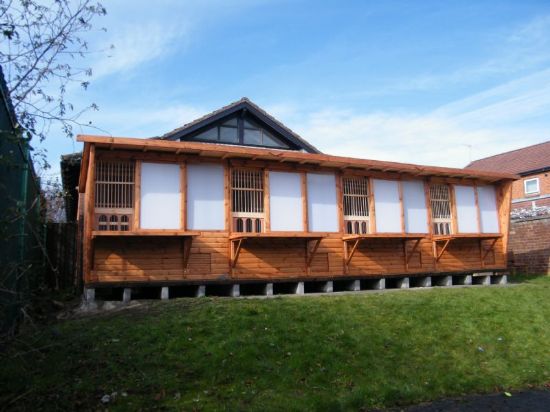
The loft
JH: For me loft design is all about making sure the loft is as dry as it can possibly be. Pigeons need dryness within the loft, it’s the only way to get form.
Sometimes you are stuck with the position you are in, your loft is facing the wrong way, or your loft doesn’t get direct sun on the front of it. You have got to adapt everything.
When I had pigeons down at the house, to maximise the sun I put those clear tiles on the roof to generate the heat, I put polycarb on the front to get warmth in the shed and achieve dryness.
Everything about the design of a pigeon shed, you’ve got to maximise the sun, you’ve got to get the heat of the sun in that shed. One year, I took the whole roof off and put a clear polycarb roof on and it was like 110 degrees in the shed in the middle of summer.
Danny and my dad were like, you’ve got to open the doors on this shed, the pigeons are going to die! and I was like no, they love it, look at the pigeons! They were all laying there with a leg and a wing out absolutely loving life.
They don’t die in Spain do they, pigeons love the sun, the more sun they can get and the more warmth they can get, the better condition they are in. You only had to see them this year in the mini heatwave, when they were getting the sun of a morning the droppings were like bullets before they hit the floor.
Our current design was designed to give us 4 sections with 4 windows so we can do things independently in each section, as much polycarb as we could get on the front. Ventilation in at the front, shed well up off the floor so that we can keep it dry, no damp on the floor, and with rodents and cats in mind and also so the dog can get underneath.
But again, it’s all about the sun, capturing as much of it as you can get and in my view you can’t get enough of it, you need it to get the best out of the pigeons.
A flip side to that, is Robbie Thomas who I would class as probably one of the best pigeon fanciers we have ever had in my generation.
His shed faces north, but that guy can race like nobody else and he has excelled on the channel for years and years. I try to comprehend given his loft orientation, how he does it.
Maybe it’s because in July when it’s at the peak of summer and the sun is right up over his shed, it is at its hottest, maybe what happens for him is, his form comes late, whereas, everyone else has had it early on, so when you’re in April, May, June and your pigeons are doing well, his are still on low light waiting for the switch to dry his shed out.
Again, we go back to the point I made earlier, it’s all about achieving dryness, heat and plenty of sunlight on the shed.
When does breeding commence here, how many will you rear, and do you breed off your race team.
DH: We have paired up early this year, as you’ve seen. We don’t usually pair up until after Blackpool weekend which is probably another 3 weeks away.
JH: In the past I’ve paired up in late November, I’ve tried every method and what I’ve found is, although you can have lovely pigeons that look like 2 year olds as young’uns for the first race.
What you end up doing is creating loads of work for yourself because, by the time the first race comes, they’ve stopped flying, so you have got to start training them half way through your old bird season, otherwise you spoil them.
Like any animal, you’ve got to educate it at its optimum age, you know the daft saying, you can’t teach an old dog new tricks.
However, you can get the most out of them if you just get into the routine of breed them, wean them, break them out, get them flying, they start ranging, you put them in the basket, teach them how to home and then you fine tune it by getting them to wherever your spot is where you want to train from and you get them into the routine of a-to-b, feed, a-to-b, feed, and then when the race comes, you’re not asking them to do anything different, that’s all’s they know. If you time it just right, you’re not doing it weeks and weeks before, they are just ready to race.
In the past and it’s dependent upon work and stuff, if your off over Christmas then you pair up then. We’ve been caught out over the past couple of years and that’s been because of other commitments, where you are just weaning the youngsters off a week before the first race and that is not good enough.
If you want to win from the first race to the last, you must set your pigeons up right. As a yard stick, go for the week after the show and you should just about be okay.
We have toyed with every idea over the years, there are pros and cons to all of it, but what you want to do is try and reduce the workload and certainly now, training the pigeons costs a lot of money so why would you want to do that unnecessarily? If you breed them a bit later you would likely save yourself 500 quid in petrol.
We do breed off the race team, but mainly only off birds that have carded, carded well, win, second or third, consistent pigeons.
The ones that have carded but taken lesser cards, will be used as feeders for the stock birds and usually we will breed 2 rounds off the stock birds.
We probably have up to 8 pair of stock and they will be retired racers or sons and daughters of exceptional pigeons, national winners, multiple fed winners.
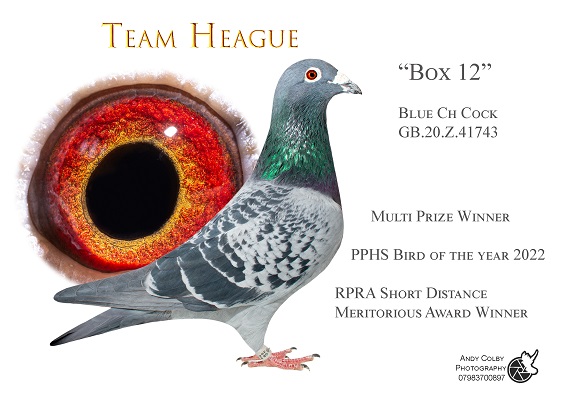
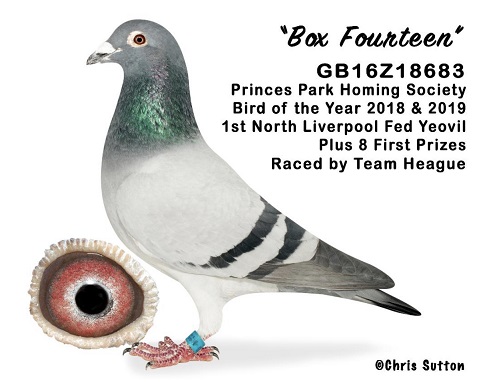
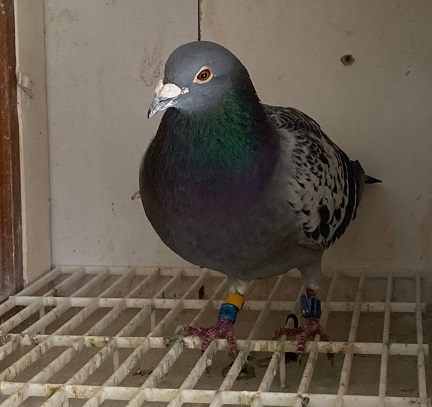
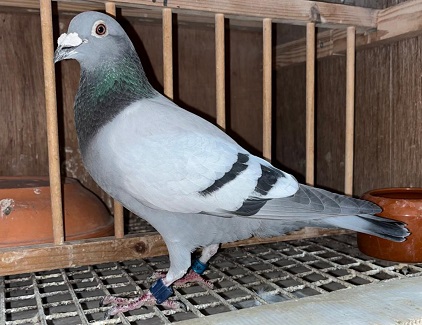
Box 12 - RPRA Award winner & Box 14, put to stock after winning 10x 1sts
The most young birds we have ever bred was probably about 100 and the least is about 60 in this shed. The aim is to get about 70 pigeons to the race, on the basis that half of them will be cocks, because we only race cocks as old birds and we want plenty of choice because anything that is two year old and hasn’t had a handful of cards has to go.
We are more than happy to put a young cock in the team that’s had nothing and take a pigeon out that has had four cards, because four is not enough, it’s had an old bird season, as well as a young bird season and four cards simply isn’t enough as its probably had about 15 races.
Can you outline your preparations prior to breeding, do you treat? And what do you base your selections on?
JH: We don’t really treat to be fair, what we may do is, after racing we will jab them for paramyxo, not straight away, but just before they get into the big moult.
We don’t tend to treat them for anything else, because, they shouldn’t have anything else, and if they have, we usually move them on, as we don’t mollycoddle any pigeon.
If they look sick, we move them on, we don’t treat sick pigeons. You want to build a vigour and how can you do that in your family of pigeons if you are keeping weaklings. Even if it has won the combine or a national, if it is a sick pigeon, it will probably breed sick pigeons.
Don’t get me wrong, pigeons can get sick, I get that, you know, we all get young bird sickness in one shape or another, but old birds shouldn’t be getting sick and if they do, they must be moved on. Same for any stock birds, they are getting the best life so why is it getting sick, it’s got no constitution.
Moving forward, what we will do then is, we basically manage the health through feed, we will change the food depending on what it is we are trying to achieve.
Once we finish racing, they don’t need all the good stuff, just barley, beans, and oil seeds to get them into the moult really.
The barley and the beans will give them what they need to live, without them getting too fat, the reason we feed barley is, they don’t really like it, so they will not gorge on it and they are never really that hungry because they don’t go out once racing is finished so they will eat enough of it to keep themselves in good order.
The same goes for the beans, they basically regulate themselves. That is their staple diet, but we will give them linseed oil, sunflower seeds, rape, hemp as a titbit because they need the oil.
Once they are in the moult, they get a little bit more of that, but we will put oil on the corn all the time because I am a firm believer that they need those special nutrients because they are going to now go through the hardest time of year for a pigeon. It needs everything at that time, every type of grit you can find, every type of pick stone.
You have got to give them everything because they are prisoners in that shed, you’ve got to find stuff for them and make sure that they are not wanting something, if they are looking for something in the shed then you are doing a bad job.
We are now at the point of pairing them up, once they are sitting, we will probably give them a canker and a cocci treatment and then rear the young’uns.
Once they are taken away, canker and cocci them with a tablet and then maybe a week after, treat the cocks again and that is it, then the racing is here.
In the past, we have tried injections and everything, they are a waste of money, I have not seen any difference, so I may as well keep the money in my pocket than spend it.
If the shed is right, you’ve got good pigeons and you’re not feeding them rubbish corn full of rodent droppings, or whatever and there is no mice within your shed, then you do not need to treat them.
Treat them for paramyxo, as they will get it, even when jabbed, they can still get it. It is not fatal, but they can still get it, you know, fellas say they have jabbed but they can still get it, it does happen.
In this day and age, there are that many other things that are the problem, but old birds should not be getting sick, however, young birds are totally different. For old birds, that is the treatment up to racing, that is how we maintain them.
Once your race team have finished their breeding duties, can you outline your preparations to get them ready for racing.
JH: We take the hens away when then young birds are about two weeks old, no hens lays a first egg on a second round, so if we walk in and there is an egg there, it doesn’t matter how big the young birds are, all hens have to come out, because we don’t want the birds laying a second round as we believe this triggers the pigeons into the moult and they will start casting first flights too soon and I want them casting the flights in June or July not prematurely.
Also, if you bear in mind where that cocks head will be at that moment in time, he will be driving the hen anyway, so we want to try and freeze him when he is on the drive. So, he has lost his hen, he is on the drive, where has that hen gone? I’ve still got the love of the box, as my babies are in there and they will look after the babies fine, but they will always be thinking, where has that hen gone.
What we do is, we put the hens in another section, we let the cocks out to fly to start getting them fit, then we let the hens come in and feed the babies, the cocks don’t know, and the hens get pushed out again, and when the cocks come in, they think the babies are starving and they pump them again. We do that a couple of times a day.
So, the babies get fed four times but what that actually does to the cock is, it gets the fat off him, as he is pumping the young’uns because he thinks he has a job to do, so when he comes in, he eats straight away and pumps the youngsters, so he is not putting weight on and he is flying, so you are streamlining the pigeon, but you have got to change the corn at this point.
They need protein at this moment in time, for muscle building and the babies need it as they are at the critical period of growth. If you cut corners with them, you have ruined the champion, a pigeon cannot be a champion, if it was neglected as a baby.
Eventually, the young’un starts to get to the point where it’s starting to flap around in the box and once one falls on the floor, they all have to come out because one of them is going to get damaged. Some of them may not even be feathered up, so we will take the bowl and put it on the floor and some young’uns will feed others, and we will put hens in and they’ll feed them too.
That’s It then, we are away, the cocks are still on the drive, because they have had the young’uns for about a week, he is looking for the hen, he is out flying and then before he gets too familiar and starts thinking, this is rubbish, where in my hen, we will surprise him with her upon trapping, to try and keep this on the drive business going on in his head. This is what we think works.
There are many roads that lead to Rome, but for me, you must keep them thinking, is she there yet? There is nothing to tell him she is there, he must keep running in to look and then surprise him and eventually you will see a change in the pigeons and as soon as you open the window, they will be down looking, in the hope of finding her. The key is, do not let them get bored, if you let them out and they fly and land on a roof, you’ve messed it up.
You want them flying, because widowhood cocks fly, they look for hens, and then when he is finished flying, you want to call him out the sky, through the trap and you want to get them to know the job of when I shout you, and this window is open, you come in and sometimes the hen is there so he will shoot in, but don’t give the hen everyday as he will get bored of that too. And from there, that takes us into the first race.
What are your methods, training, and racing both old and young birds?
JH: It’s easy with the old birds, we fly them, they get fit and then we give them 6 tosses maybe, and they will come back to the hen on the latter of those tosses and that is it. Every time they come from a race the hen is in the box waiting for them.
We don’t race hens for a number of reasons, but the main reason being is and I’ve raced roundabout and everything, but I firmly believe, that widowhood cock is coming home and he expects his hen in the box and if you race the hens, invariably the hens will beat the cocks but you may have just ruined your best pigeon.
Because you do not know what your best pigeon is, every race is different, but that day when you could have topped the fed or the combine, you may have ruined that the week before because he has raced home, and the hen is not there.
Some fellas throw any hen in, but I just don’t believe in that. They know what their hen is and that’s their house, their thing, and you are playing on that pigeon’s brain. You end up thinking like a pigeon, well that is what I do, you’ve got to always be thinking, what is the pigeon thinking? What is going through his head?
Young birds are totally different, you go through the cycle, wean them, get them feeding, they are on maples initially because they need the protein. They are on the hopper as you just want them eating, there is some hens in there to look after them, and then they will go on big corn, maize, biggest I can find, beans, just straight corn.
They need to learn how to eat big grains before they see any little, because if you show them little grains, they will never eat big, and they will always be looking for food on the floor when it’s there in front of them. I’ve brain washed them that they have to eat the big stuff first and then eventually when I know that they will eat that big stuff then they can have a mix.
At this point they are in and out the aviary, we are calling them in and out of it, through the window and then you break them out, same routine, they’re on the board, you open the window and they come in because that is what you have been teaching them, then they get flying.
Once they are ranging, we put them into the basket. I’ve done everything from 10 tosses to 40 tosses before the first race. I’ve trained them 14 times in a day and I’ve trained them once per day, and it all works, so it is whatever you are comfortable with. what the pigeons tell you is basically what happens.
I cannot tell you what I am going to do this year, as I don’t know until I see the pigeons coming out of the basket, if they come out the basket after a few tosses and they start going in a straight line, doing a mile a minute, then they are on their way.
Sometimes you take them a bit further and they start messing about so I come back and start again. Eventually, I can get them to 50 miles. They will be doing 50 mile in an hour and they don’t circle once, they go straight home and that is it. When they are doing that I do not change anything.
What more do you want? that is it, and also if they are doing that, then there is no point loft flying them because you won’t be able to feed them enough, because if they are racing 50 miles, and I am using 50 miles as an example, you can’t feed them enough protein to build muscle and reserves, if you loft fly them as well.
Danny will loft fly them twice per day and you can’t get them down, they will fly two hours and when I come to take them training, they are still out and sometimes you have to go and there is five left, still in the air and I get a bit OCD as I don’t like to leave one behind, I can’t go without that one.
We’ve had great years training 7 mile only, great years training them 50 miles, great years training once per day and great years training 10 times per day, but what the pigeon does, tells me what we need to do.
There is no routine, it is, adapt to the pigeons, but your adaption is all about getting that straight line home. As soon as this is achieved just carry on doing it from there, that is enough.
If the young birds get sick, or they look iffy, lock them up for a week. Let them forget about it and get over it, because what you might have is a champion pigeon in that shed and you could lose it and that’s not the pigeon’s fault, that’s your fault.
How many athletes work when they are sick? none, so why are you sending your pigeons when they are sick, knock them off and let them rest. I understand, it’s hard because you want to win every race, but your experience tells you there is plenty more races left to come.
Anyway, it’s not every race you want to win, it’s the combine you want to win, the fed, there are certain races you want to win. I get more gratification out of getting six pigeons in the frame, because, the team is coming, we would rather 2nd, 3rd, 4th, 5th, 6th than just a 1st.
If they come like that every week, you are doing your job right and your pigeons are coming, you’ve got these just right. Same with young birds, dropping 4, 5, or 6 together, you know it’s coming.
One year I sent them in the midweek club, we didn’t have a midweek club in our area, so I took them to Garston. I sent 50 young’uns to Ludlow, the Wednesday before our first Saturday race, and we dropped 49 pigeons together all of which would have beaten the midweek fed. The Saturday we were rubbish, but that race, they were good.
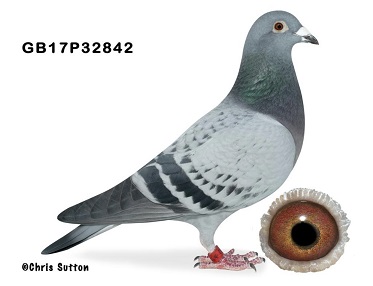
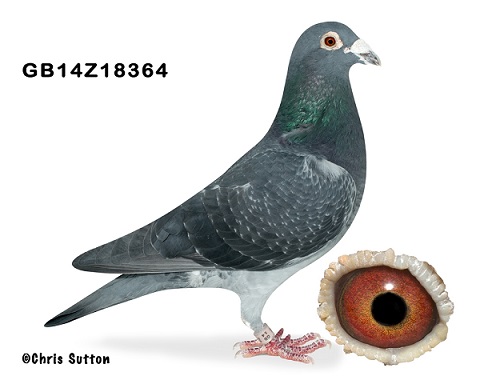
1st Liverpool Two Bird Specialist Club & Club bird of the year 2016
Can you describe your beliefs with regards to feeding
JH: For me, feeding, there is no set thing. You have got to look at the pigeons and you have got to feed them depending on what you expect them to do, what the weather is saying, what the wind is saying, what time of year it is.
If we are talking about racing, what you want to do is build them up towards the end of the week, so, if it was the first race, you want them on light feed, building them up. If they have just done a 120 mile race, then you have got to replenish them, and I am a firm believer that they need steak after a race, and my steak is beans and maples.
So, once they’ve returned from a race they need steak on Saturday and Sunday, as much as they can eat. Then on Monday, Tuesday, Wednesday, lighten the feed up, and then Thursday a little bit stronger for them.
Friday I know people say fats, but its energy, which ever form that is, it could be a race mix, it could be Superstar Plus, sunflower hearts, but it’s about you doing your job all week.
You’ve gave them the body, there is nothing better than having a 2 or 3 hour race and then giving them steak then feel them on Tuesday, they are solid and all your job is now, is to keep that to Friday and then put the top hat on it, but if you starve them Monday, Tuesday, Wednesday you’ve run out of time.
You’ve lost it and all the goodness you had on Monday is gone, you’ve got to try and build it up, give them the muscle they need and then tick over and then finalise it for the weekend, that’s it.
How you do that, I don’t know, I can’t tell you how to do that, I can only do it by holding and looking at the pigeons, based on the performance, how they came, how they trap, everything, you know, you need to see it, you need to live in the shed with them, I say to people, you go and talk to the pigeons and they look at me like I’m stupid, I don’t actually talk to them but you have to observe them and that becomes your things, that is your method or style and if the pigeons in the shed do not suit that, then they have got to go, some will, and those that do make good pigeons for you, and those that you get shut off, may have been champions for someone else, but they don’t work for you.
Everyone has done it, they’ve gone and got the best pigeons from the best fella around and done nothing with them, and that’s not because of the pigeon, that’s because of what you do with them pigeons.
My pigeons, in someone else’s shed, might be rubbish, but in another shed they may be even better than what they are for me, the pigeon is only half the battle, the husbandry is the key to success.
Can you describe the measures you take in maintaining the health of your pigeons?
JH: Dead easy, watch them, nice, clean, healthy loft and dry. Look at the pigeons, if you are observant enough, you can walk into the shed and go, what is wrong with that. If they are sick, don’t race them, don’t train them, don’t fly them out. If there is no reason for them to be sick, and I mean that in an old bird context, it must go, it cannot stay.
If it is a youngster, what you must be concern about is, is that the first of all of them getting sick, and if it is, you have got to act, because young birds are susceptible to sickness because we have got them in cramped conditions, no matter what anyone says.
Old birds, think about this, you have got widowhood cocks in, let’s say, an 8ft section, 12/14 pigeons in total, but you’ve got 30 young birds in the same airspace in the next section, so in my view, you have 3 times more chance of something going wrong there.
Pigeons need clean airspace, but because of the way the racing game is, and no one can have 200ft lofts, you tend to put a lot of young birds together, they’re developing, going through a lot, they’re on the darkness system and I’m an advocate for it, it helps the pigeons, it doesn’t hinder them.
What does hinder them is, people put them on the darkness and close the air down in the shed and then respiratory happens, but by cramping the pigeons, you are promoting the illness, so you have got to be checking on that all the time.
What in your opinion are the essentials to success?
JH: Good pigeons!
DH: Husbandry!
JH: You’ve got to look after them, but more importantly, for me, it’s the person, a good pigeon flier can fly crap pigeons and win and a bad pigeon flier can have the best pigeons in the world and still be crap, so it’s the person.
The winning combination is, you know what you’re doing, your observant, obsessed, you’ve got to be obsessed with them to do it, or you are wasting your time, and you’ve got decent pigeons, then you are successful every year.
What bloodline/family of pigeons do you house
JH: Winning pigeons! I’ve been around a while and I do not do names anymore, people talk to me about this pigeon, that pigeon the other, and I’ve no idea what they are talking about, so I just nod and say yes, I know, but honestly, I have no idea and I’ve no interest in it.
All I want is winning pigeons, and I am not bothered if they have 2 heads or 3 wings, it wouldn’t bother me, they have got to win, they’ve got to come off winning pigeons and win themselves.
We’ve had loads of different pigeons through the shed, but the main backbone was a cheq cock, he was a son of Champion Victor, an RPRA UK Award winner for V & L Thompson from Leeds, a Van Reet hen which was a Liverpool Amal Winner for Billy Palmer, Speke HS, a full sister to Ken Hunts ‘The Boss’ (40x1st club, 10x1st Fed), as well as a son and daughter, both of which were federation winners themselves, the hen won the fed as a young bird 214miles, and the cock was a double fed winner, twice from Niort, 500 miles.
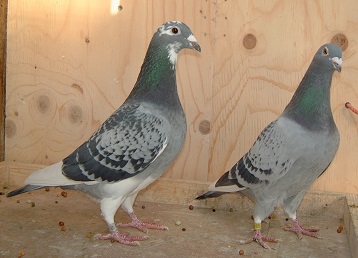
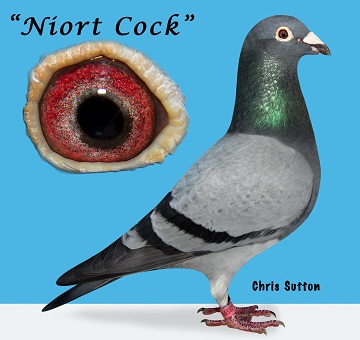
Principle pigeons. Son & daughter of Ken Hunt's The Boss & Niort Cock - Federation winner
The best pigeon form those originals, was known as the winner, he was a son of the foundation cock and the Billy Palmer hen, this cock bred loads of good pigeons for us.
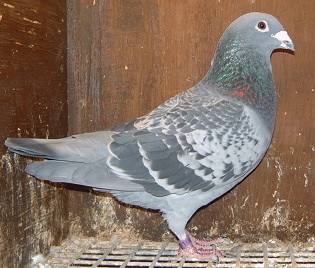
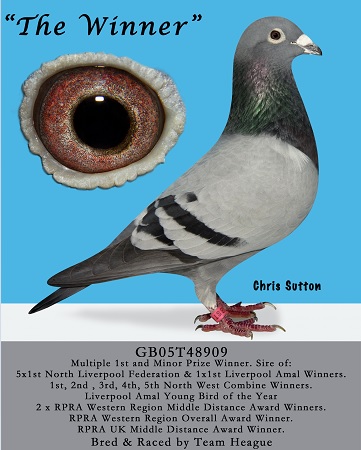
Foundation Cock & The Winner and son of the Foundation Cock
I’ve had a couple of different pigeons from fanciers over the years, the likes of Arthur Churchill, a couple of young birds off him, they won. I got a couple from McArdle & Archbold, they bred some winners for me. Recently, a couple from Lee Maguire have also won for us, but the fella I’ve had the most pigeons off, that have stood the test of time against my own, was Frank Bristow.
I have a really good relationship with Frank, I have had for a number of years now and basically, I just say to Frank, I don’t want to know what they are, I’m not interested, just give me some and I’ll tell you if your birds are any good, which is a bit tongue in cheek.
It is my cheeky way of trying to get him to give me some special ones, but Frank has class pigeons. Everyone has rubbish pigeons as well, but he has a good number of good pigeons, so there is more chance that you are going to get good pigeons.
We’ve won with his pigeons and once the pigeon has done something worthwhile, then I will find out what it is, and when you do find out you realise most people would never have raced it. For instance, a son of a national winner, or a grandchild of 3 national winners, or even a son of a pigeon that has had 20x1st prizes and you think, no one would race them pigeons if they knew what they were bred off, they would buy them and put them in the stock loft.
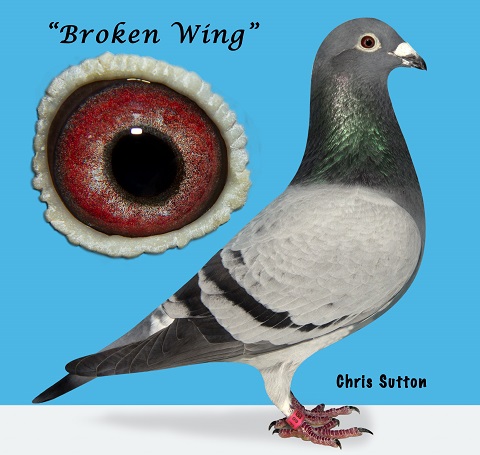
Broken Wing - RPRA Middle Distance Award Winner
But bear in mind, there are other pigeons that have raced, from the same loft, but haven’t cut the mustard and they’ve had to go. They could have been off better pigeons but I’m glad I didn’t know because I wouldn’t even dream of breeding off them. If they don’t do it for me, if they are not in my clock before my pigeons, then they don’t stay.
The best pigeon we have ever had, has come from Frank, the 10x1st cock. We’ve had birds to win multiple races, but not 10 races. He was a real super pigeon, a 2016 blue cock. He didn’t do anything as a youngster if I remember rightly, but he came into his own once you got to any race, you could expect him. He was a real classy pigeon in that respect.
If it was just an average race, my own would win, but if you had a bigger competition race, then he would come.
Over 3 years he won 10x1st and he was a federation winner as well. He has gone on to breed winning children and grandchildren as well so that’s pretty good. We’ve had a few fed winners of our own and from Frank, but I don’t think I’ve had any federation winners from anyone else.
What has been your proudest/greatest achievement within the sport?
JH: A couple of things really, for me personally, something that is really sentimental to me is, going back to the 80’s when we first got the pigeon shed here with my Dad. He and I were reading a book, at the same time, ‘The Four Seasons’ by Joseph Hauskin, a Belgian pigeon fancier talking about widowhood. It was an old book, released in the 60’s. My Dad was like you’ve got to race widowhood’ and we did of course and we would get one pigeon and then 5 minutes later, another.
Fast forward to now, one race with the North West Combine, we sent 14 pigeons and we had all 14 pigeons home in less than 10 minutes, we also topped the fed that day and I said to my Dad, that’s widowhood, that’s how you race widowhood, that’s how it should be done.
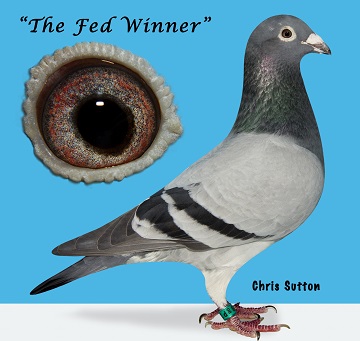
Our first Fed winner
In the last few years, we have had that a few times, we’ve had the first 10 in the club a number of times and not that you can have every position in the club, but if you could have then one race, we would have had the first 17 pigeons and that is not against 10 pigeons, you are talking about 2-300 pigeons and the club is competitive.
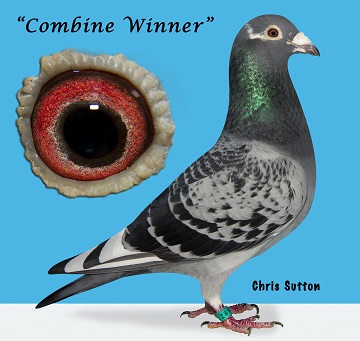
North West Combine Winner
There are guys in the club that can win any day of the week so to get that sort of result, only racing widowhood cocks in this day and age, where hens tend to be the in thing, is for me, a massive, massive achievement and something that is to be respected.
To race widowhood cocks and get that sort of result, when fellas are cleaning up with hens, is really good and that is a sentimental thing for me, as I got to say to my Dad, ‘that’s how you do it, that is widowhood’.
Another time, which for my Dad, was a claim to fame if you like. Here, in my mum’s house we used to have some stock pigeons and we gave a pigeon to Kelly Bros & Devine. The parents had bred federation winners for us, Brian & Terry Snagg, Porter Brothers and Amal winners for John Heague. This pair was breeding good pigeons.
Anyway, we gave one to Danny Kelly, he bought it in the fed sale, to which we donated a pigeon as we had a good year, it was a beauty an absolute stonker of a pigeon. It didn’t do anything as a youngster, obviously, as we do not expect cocks to do anything as babies. But then as a yearling he just flew out of his skin. He won the RPRA UK Middle Distance Champion Award, which is quite something, certainly nobody has ever won it in this area.
It was huge, a pigeon of a lifetime they come every blue moon. He ended up on the front cover of the British Homing World, best pigeon in the UK a massive achievement and also for my dad, he bred it, so that’s definitely something to be proud of. My Dad breeding such a pigeon, the ‘Burger’.
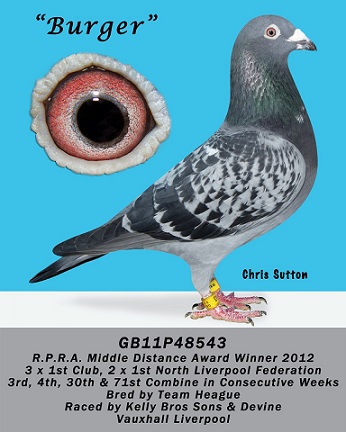
Burger. RPRA UK Middle Distance Champion
A nice family recollection for me is, one year in the fed, we had 9 trophies on the table. The year before Joe Elder & Son flew out of their skin, they had something like 11 or 13 trophies on the table and I was sat looking at them and thinking, I would love to do that, that’s how you do it, these guys are amazing, they have annihilated the federation.
The following year our birds flew exceptionally well on the channel. I think we won the fed 4 times and a couple on the inland, we won every average under the sun, we won Messac and Niort, back to back and I think there was only one other person to have ever done that, Joe Lysaght I think it was.
But anyway, we all went to the fed presentation and my dad and Danny went up to collect the trophies and I remember just being sat there at the table on my own looking at the trophies and saying, that’s as good as it gets in the federation, that is definitely it. At the time we were Team Heague and that is where Danny Kelly’s ‘Burger’ was born.
Locally, our biggest achievements have been topping the North Liverpool Fed, topping the North West Combine, winning the Liverpool 2 bird Specialist Club as well as the Liverpool Continental Club, club premier prize winners and club bird of the year 6 times in 8 seasons.
Have you applied for your CPH number and registered your loft for cross channel racing? If so, how did you find the process, have you had a vet visit yet and do you think we are likely to see cross channel racing at fed/combine level again?
JH: Yes, as soon as the CPH process became available I done it. I done it for 2 reasons really. One was I wanted to do an ‘Idiots guide’ for everybody else, not that I am calling anyone an idiot, it’s just a terminology for me and if I can do it anyone can do it. So, I done it, logged it all and put it into a PDF so if anyone needed to know how to do it I could just give them a copy, dead easy.
I would say the process itself, for pigeon racing, is poor, because there is no consideration whatsoever for pigeon fanciers, this is a commercial livestock process and we’ve been shoehorned into, we need workshops with DEFRA to devise a process where pigeon fanciers or ideally the RPRA, could register everybody and in this day and age, with technology the way it is, we could get club secretaries to sign a document electronically and it could have all been done in a heartbeat overnight for everybody in the country if they wanted to be included.
We haven’t had a vet visit yet because we are still in two minds as to whether we want to race the channel or not, we aren’t too keen on throwing money away with a vet. I am a bit miffed to think a vet is going to come into the garden, know nothing about racing pigeons and tell me they are ok, when I know they are ok, but obviously that is not going to work.
So yes, it is a messy process, and it could be a lot easier. What should happen is, we should be thinking outside the box, we should have key people talking with DEFRA and dealing with it.
Ian Evans made huge progress on the back of Brexit and Bird Flu and we will forever be in his debt for what he has done for us, and I think he is an unsung hero, but there is now a new man in the chair and we need to nail down DEFRA and make this happen because pigeon racing as we know it, is finished. This is a different type of pigeon racing from now on.
Shorts where a type of pigeon racing once upon a time, and then homers came along, this was change. If you want to race the channel, you can, there is nothing to stop you doing so. Unfortunately, it is just a bit more expensive and then there are the marking station problems. The marking station is a problem because you can’t mark in your own club anymore because the way the rules are, you have to have a vet present.
However, if you want to race the channel, and you are committed, there is nothing to stop you, go and join the Nationals, simple as that. Race with them and get on with it and don’t make excuses.
Regarding fed and combine, there could be, but not in the current format. I would be more than happy as fed and combine secretary and as a region official, to set up channel racing tomorrow, but right now, we just haven’t got enough people and It wouldn’t be financially viable.
If you want the fed and the combine to race on the channel you need to stand up and be counted and talk. It’s no good sitting back saying nothing, if that’s what you want, come to the meeting, open your mouth and be heard. You can’t expect everybody to carry you, you need to come and help yourself. If you are happy racing the inland, then so be it, but it is never going to be as it was, ever. This is change.

Shakehands - Great racer, Fed winner from Messac
Who do you admire within the sport?
JH: Well, the fellas for me who deserve the biggest admiration are the fliers who race week in, week out, looking for a card, just one card, without them you wouldn’t have a club. I don’t know how they do it because personally I couldn’t. But they are happy and good on them and if I can help them get that card then I will, because you have to nurture and help them. And if you don’t and they go, then your racing is finished.
There are lots of great racing guys out there, too many to mention. There are people who have helped us and they have never wanted anything and again they deserve admiration.
Going back to the 80’s, Tommy and John Walton. They didn’t want money; we could have had anything we wanted out of them sheds.
DH: Stevie Goulding is another, he would look after you, he is a sound guy. Stevie would give you anything out of the stock shed and again, not expect a penny.
JH: Frank Bristow, I could go there and probably get anything I wanted, but I would never abuse that friendship.
Locally, Albert Tarleton, Robbie Thomas, Mick Liddle and both my uncles Birdie Cotter and John Heague,
Have you had any mentors over the years?
JH: Do you know what, I haven’t really. Arthur Goldson who has now passed away, I didn’t get on with him when I first met him, I don’t know why. He thought he was the daddy in pigeons and that was a challenge for me. Like anything, if someone thinks they are better than me, I have to up my game.
However, it developed into a good relationship and he asked me that question many times and he used to think I was lying to him. He used to say where do you get your ideas? and I used to say I just make them up and he was like, don’t tell lies, come on, who told you? And I’d reply nobody. Well, how do you know how to do that? I just learned I would say well how do you know what to feed? I just experiment, and he asked me that question lots of times as he really didn’t believe the answer. He thought I was lying to him and I wasn’t.
You learn off everybody, what you do is, you listen and the things you like the sound of, you keep and the other things, you let go through one ear and out the other. If you believe it, then you will probably make it work. Common sense is the answer I suppose, but you can’t give people common sense, they either have it, or they don’t.
Its trial and error, you have got to learn, if you have a bad race, you have got to go and look in that shed, because either you or something in that shed is wrong and you have got to fix it, you can’t blame anyone else.
If someone else wins then that is your fault. Everybody inspires me, because if they are winning, I want to know why, but I haven’t got a mentor in the sense that I copy him or he tells me what to do, that has never been the case with me. I ask lots of questions of everybody, but I decide what I want out of it.
If you were offering advice to a new starter or a loft struggling with poor performances, what advice do you feel would help improve their results?
JH: That’s a big question really, I would be brutally honest and say do you really want to race pigeons and win, because if you don’t, save us both some time. But if you can see that they want it, then they would have to come and sit with us and I would show them what I do and hope that they get this bug and they will try their things out.
I would never say, don’t do this, don’t do that, that is your thing, you get on with that. I would also try and plant seeds along the way in order to take them down their road, because anyone can copy anyone else, but what does that do?
Because let’s say for instance, I am your mentor, and then I am not in the game anymore, what are you going to do, if John said do this and that, what are you going to do when I’m not there? Your back to square one, so for me, you must stand on your own two feet, you must learn it.
You could say, you can have all my best pigeons, that doesn’t mean they are going to win, they have got to learn their thing themselves, and you do not have to win to be successful, what you have to do, is get rewarded for what you are doing, and the win will come sooner rather than later, you’ve got to see the fruits of your labour yourself.
Finally, what are your aims for the 2023 season?
JH: Win every race, take the first 10 in every race, top the fed, top the combine, or don’t race at all. I don’t send not to win; I send to win. But I don’t want one pigeon, I want a team performance every single week and if I can’t pick the pigeon that is going to come that is even better, because if I am spoilt for choice, then they are all good and the job is done.
If you go in the shed and say, it’s going to be him again, don’t bother with the rest. You may as well just feed one pigeon because what are the rest doing? You will be hanging around for 3 hours on a Saturday waiting for them to come.
When it comes to picking noms or something like that, I am just looking for something in the shed. I am looking for a pigeon that makes me think, what are you doing?
For example, if a pigeon is sitting quiet, calling, jumping on the box, taking charge of the floor, walking around with his wings up, something different, turned gay, you are looking for a little thing.
We had a pair of gay boys this year and when 71 won, we would put his hen in the box and he would throw her out, he hated her. He would go into the next box, throw his hen out and the two cocks would be together, just little things like that.
The 10 firsts cock, really his name should have been something like the policeman or the doorman because he would go on the floor and keep everything off it and if anything did go on it, there would be murder, and as and when he done that, he was ready, he was on blob and he would win.
Every pigeon can be on blob, but the race isn’t his race, east wind, north wind, south wind, bad lib, hawks, rain, anything can put them off, but you must get them on blob first and then all the luck to go with it.
Finally, I would like to say that pigeon racing right now is taking a big dive, we are well past the cross roads, and if we don’t adapt, then pigeon racing is going to finish sooner than you think, clubs need to amalgamate, organisations need to box clever, because cost of fuel, diesel engines, carbon emissions, carbon zero, all these things are changing what we are doing.
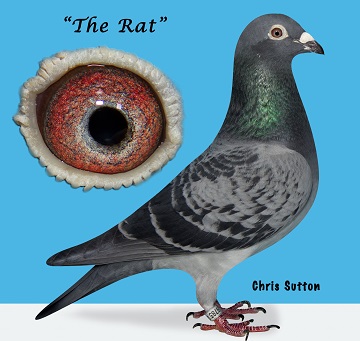
The Rat - Liverpool Amal Bird of the Year & also a full sister to the Combine Winner
For how long can you run a 30 year old wagon down the motorway before it has to be a hydrogen vehicle. What pigeon organisation can afford a hydrogen HGV? Probably none right now, but maybe someone like the RPRA could develop transporters and what we could do with our little wagons is, go and load them.
It’s another change, and it will frighten people and it will certainly frighten the big fish in small ponds, more than anyone else, but they have had their day, and this is change and we need to get into it now. If that means little clubs become one big club, and then these big clubs become the new federation and then that fed uses a wagon to go and meet someone on the motorway and load a HGV that picks up all the way down the M6 or something and that’s the way it needs to be, otherwise we won’t be able to afford it.
Look at the membership declining, people are getting older, there is not that many new people coming in and before you know it, it will strangle itself. We mentioned vets before and this is probably a fear that once we open doors to CPH numbers and vet visits, who is to say everyone doesn’t have to have a vet visit going forward, even for inland racing, and then it is the cost of that. A bag of corn is near 30 quid now for some of them. How much to train every day? How much to race them? Where is all the money coming from?
We have a poverty crisis right now, a fuel crisis right now, this is a hobby and it is going to take a big turn, we need to adapt now, not look back in 5 years and say we should have done that, I wish we would have done that.
Don’t wish anything, just do it and if it doesn’t work, at least we’ve tried. That’s my view anyway, we need to take some action instead of saying, its knackered in years to come.
The End.
There we have it, a knowledgeable account from arguably one of the cities greats, the knowledge these lads have is mind blowing.
I remember approaching John back in my younger years in the search for advice on how to get the best out of my birds when it came to channel racing as once we got to France, my performances left a lot to be desired. It was on the back of the season when John won out of turn at the distance, the year he won the combine.
The advice I received was to go away and spend the winter learning for myself as he wasn’t going to show me, I always wondered why he wouldn’t show me, but I never questioned it as previously he had been a massive mentor. All these years later whilst compiling this article, I now know why, his methods may not have been the answers to my questions.
That winter, I decided to do just as he said, I read, and I watched, and I studied anything I could find regarding distance racing and before I knew it, the channel program was quickly approaching, and it was time to put all the research into practise.
I quickly realised that John had actually given me the best piece of advice he could have. That season I went on to win my share of channel races including topping the North Liverpool Federation from 500 miles and a whole lot of federation averages, and to know I had worked it out for myself felt much more satisfying and as John said earlier in the interview, you’ve got to see the fruits of your own labour.
Thanks for reading.
Thomas Miller