From The Chair: where pigeons dare Operation Columba - The Secret Pigeon Service: The Untold Story of World War II Resistance in Europe.
By Chris Williams
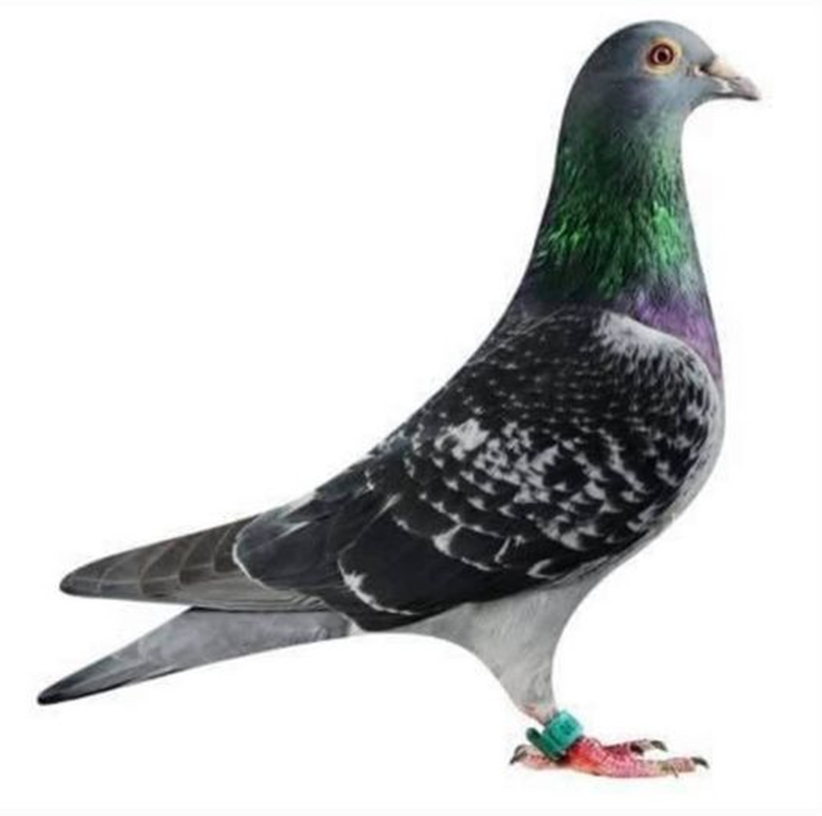
World War two and the role played by pigeons has always fascintated me, and I learnt recently that S.S. leader Heinrich Himmler was a pigeon fancier, and in fact was the president of the German National Pigeon Society. Now then here is a question for you, what connects a Catholic priest, a king and a pigeon? The answer, operation Columba. A fascinating story which I am sure even the fertile imaginations of Fleming and le Carré would fail to conceive. I first became aware of this truly fascinating story of bravery, birds, and betrayal after reading Operation Columba--The Secret Pigeon Service: The Untold Story of World War II Resistance in Europe written in 2018 by the BBC's Security Correspondent Gordon Corera. As part of “Operation Columbia “in the period between the years 1941 and 1944, sixteen thousand pigeons were dropped inside the occupied countries in an arc which stretched from Bordeaux to Copenhagen forming a key part of an allied intelligence gathering mission. Each bird would be placed in a special box with a parachute attached, and a tiny green Bakelite cylinder – about the size of a pen top – was placed around one leg. On the outside of each container was an envelope with a questionnaire, written in Dutch or French, some rice paper for the return message, a pencil, and a bag of pigeon food.
Keeping pigeons during the occupation was not for the faint hearted as any one harbouring the birds faced certain death. (See poster)
The book focuses on the work of a particular Belgian resistance cell led by a catholic priest Fr Joseph Raskin who became such an asset that his intelligence eventually reached Churchill himself, and MI6 parachuted agents behind enemy lines to assist him. Born 1892, in Stevoort, Belgium, Jozef Maria Raskin took his religious vows in 1910, becoming a member of the Congregation of the Immaculate Heart of Mary or in Latin. Congregatio Immaculati Cordis Mariae) a Roman Catholic missionary congregation of men established in 1862 by the Belgian Catholic priest Theophile Verbist (1823–1868). Fr Raskin was also an artist and draftsman, skills which would serve him and his country well in years to come as when he was serving as a front line solider and observer of enemy lines in the first World War, he was able to draw detailed maps of the enemy positions. Due to a shortage of uniforms, he continued to wear his cassock. He was captured on the front lines with the Germans giving him an automatic death sentence, as soldiers disguised as priests were suspected of carrying secret documents, but he successfully escaped from his captors.
After the end of the first World War he was ordained in 1920 and was stationed as a missionary to Inner Mongolia, China, where he became fluent in both the spoken and written Chinese language. While attached to the Apostolic Vicariate of Xiwanzi there, he taught natural sciences. In February 1934 he returned to Belgium and became a writer for his order. At the outbreak of World War II, Raskin was drafted as a Chaplain into the Belgian military. In this role, he was the personal adviser to King Leopold III, and celebrated Mass with the Monarch.
In the May of 1940, from the 10th-28th German troops invaded Belgium, this was to mark the beginning of clandestine work of the underground Belgian resistance movement. One of the most striking things about the resistance networks of occupied Europe is that they were formed by ordinary citizens and their families who used their courage and cunning to outsmart the military might and obscene tyranny of the Nazi war machine. A family by the name of Debaillie were resistance members, and together with Joseph Raskin they founded ‘Leopold Vindictive' and sent back valuable information to England via pigeons . The group provided intelligence about troop movements, the results of bombing raids and specific information about a particular chateau the Germans were using as a base for their marine forces. The Leopold Vindictive was named for two of Raskin's contacts: Belgium's King Leopold, and a British admiral named Roger Keyes, whose ship was named the Vindictive, it was precisely because of references to the admiral in The Leopold Vindictive early communications with London that the groups intelligence was taken so seriously with the allies. Unfortunately, these events would mark the beginning of deadly cat and mouse game culminating in betrayal and death! I highly recommend reading “Secret Pigeon Service” by Gordon Corera as it captivates the spirit of a forgotten age which relied upon the bird of peace for its very survival. I cannot think of a more fitting way to end this article other than in the words of the poet Robert Laurence Binyon (1869-1943),
They shall grow not old, as we that are left grow old:
Age shall not weary them, nor the years condemn.
At the going down of the sun and in the morning
We will remember them.
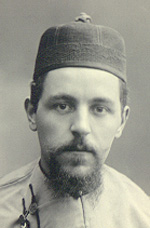
Father Jozef Raskin - Head of the Belgian resistance cell Leopold Vindictive 200.
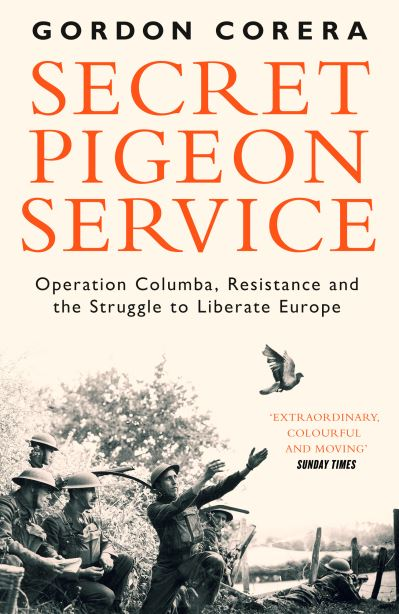
The book which inspired this article.
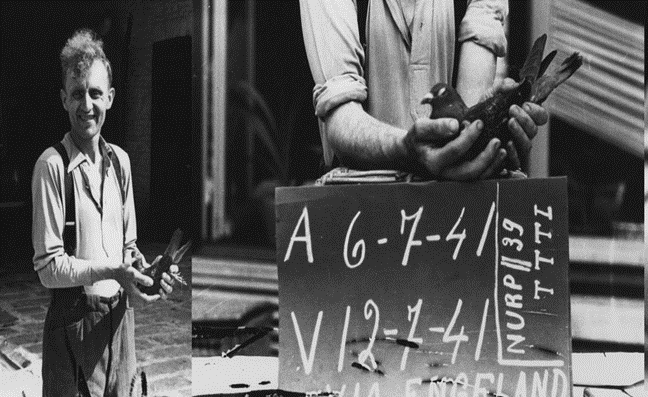
Michel Debaillie and the pigeon that was dropped in Lichtervelde, with day of arrival and departure. The people involved were so excited about the event that they also photographed everything, which was not without risk; but the photos did not fall in German hands.
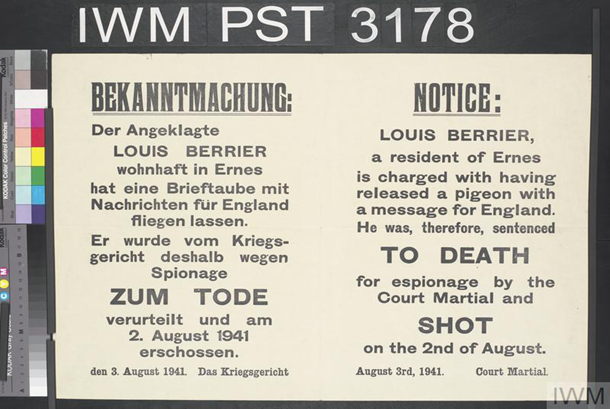
a poster from IWM detailing the execution of an individual caught with pigeons
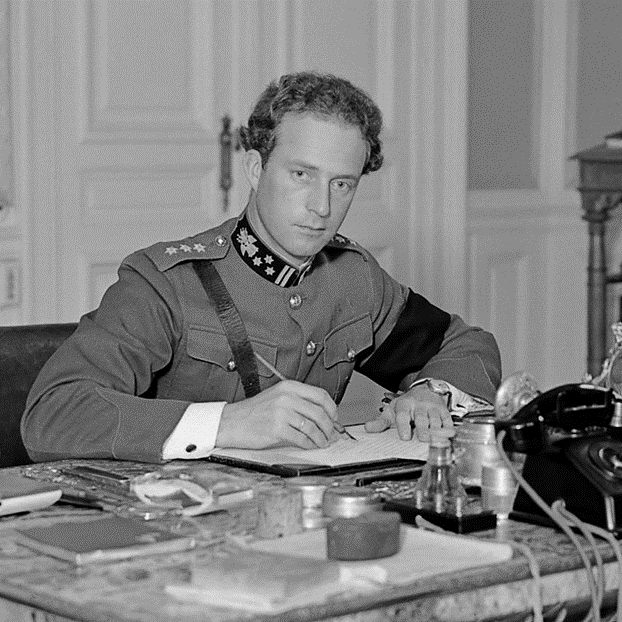
HM King Leopold III, of Belgium
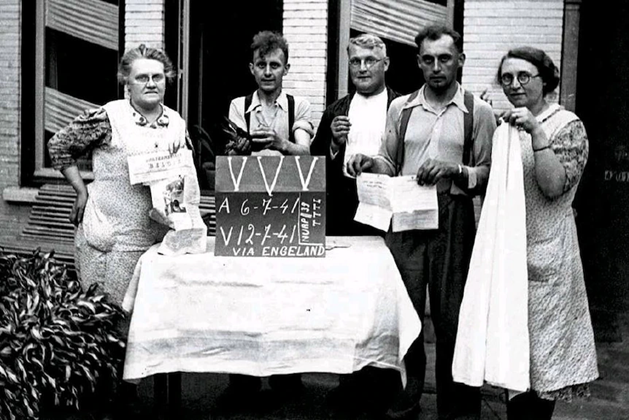
The Debaillie family were resistance members, who worked with Jozef Raskin