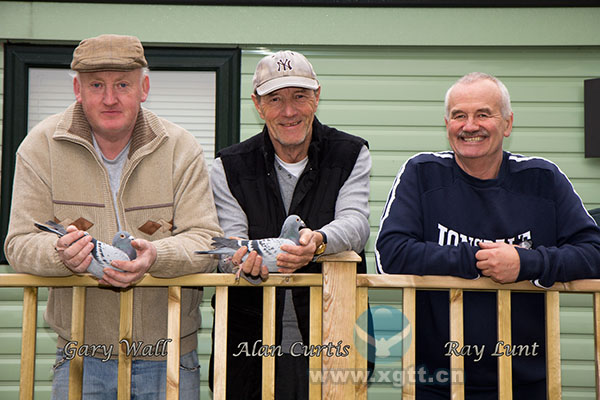
BOB & BRIAN SMITH
of Burtonwood
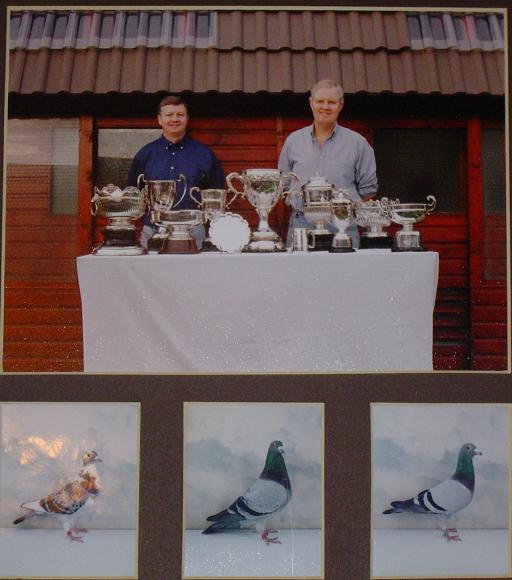
talking to Les J. Parkinson
Boxes in the main stock loft
I, like a handful of other writers in the fancy press, have been visiting lofts for many years and there are always good lofts to visit. My latest feature is on a partnership who were winning many years ago and in all fairness a loft that I should have reported on at length before. However, they have had many good reports based on their excellent winning ways and I have had the pleasure of racing against them in the National FC and North West Classic where they have achieved some fantastic results against the best fanciers around. When I am looking for times in these clubs theirs is one that I look for because they are never far away from the top spot. The North West has seen many good fanciers during my time of racing pigeons and this loft rates up amongst the best of them. At the end of the report is the information that goes with the photos so you can see that this is not a loft with just a couple of winners they are a team. You will also notice that the hens can hold their own in this winning loft.
INTRODUCTION
Please introduce yourself and tell us how you got started in the sport.
Bob and Brian Smith we race as R&B Smith at Burtonwood Warrington. Bob started racing with Dad in the fifties Brian was always involved with the birds and became a partner after the death of Dad in 1971 when the above partnership was formed. Dad’s family have been involved with pigeons since just after the first World War they were also all good stock men keeping any and every kind of livestock. As kids we where involved with the upkeep of the livestock on our allotment all having jobs to do before and after school.
With your pigeon work do you have a silent partner i.e. wife, partner or friend, if so what part do they play.
No silent partner just Brian and Bob, we have worked well together ever since we became involved in racing pigeons.
Do you consider there to be any advantage having a racing partnership.
Yes, apart from the normal training marking nights and taking clocks in, you have got two pair of eyes to spot anything wrong or more over right in the loft. Two can always look at a situation and discuss it before making a judgement, one might see the situation differently and between a partnership you can very often come up with the answer that suits what you are doing at any given time.
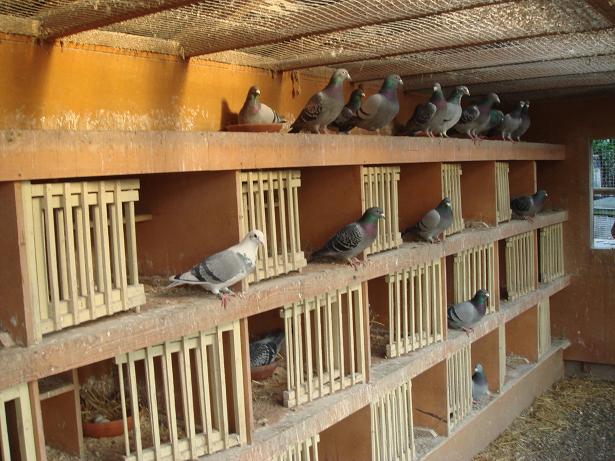
Boxes in the racing loft showing ventilation in the roof
Are there any points that you disagree on and if so how do you compromise a situation where there is a different viewpoint?
Can’t remember an argument not even who’s round it is, that is why our partnership works so well.
Do each of you have an area within the partnership where responsibilities take control regarding a decision?
In any successful partnership you will always find one partner that makes the important decisions, if this doesn’t happen you find you end up pulling in different directions and the arguments start and going back to the previous question we don’t have any.
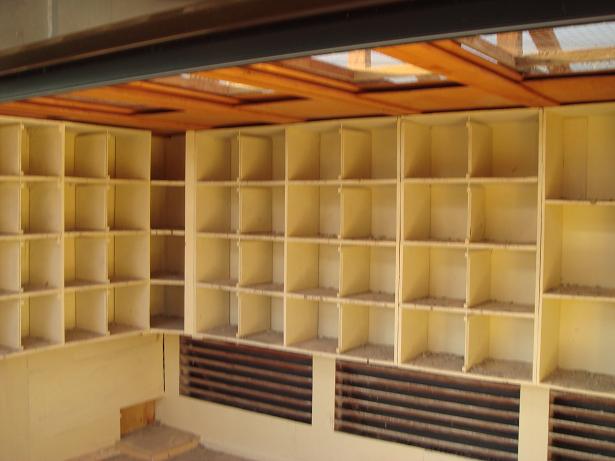
Boxes in the yb loft
Give the readers the most memorable results that you have achieved flying as a partnership and flying on your own.
A couple of the more recent ones would be last years 2nd 3rd and 4th section and open in the NFC Sennen Cove, this years 2nd and 3rd section 3rd and 5th open in the NFC Cholet. Past ones having the only three birds home in race time from Saints with the old North Ashton club being 1st 2nd 3rd and 5th section and open in the North West Classic. 1st section NFC Nantes and winning the Lancashire Rose trophy for best average section L.
Is there anything that you have not won in the sport that you would like to achieve?
As we have said before in other questionnaires’ like most fanciers we would love to win a National but to carry on racing with the consistency we have done for the last twenty odd years would be achievement enough. Perhaps the premier spot in the National is what keeps many lofts going, always something to strive for.
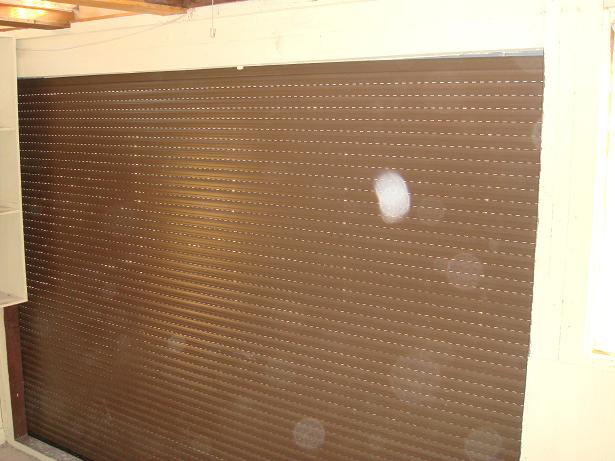
Inside the yb loft with the roller shutter down
What organisations do you race with?
North Ashton 2 bird, North West Nantes 2 bird, Wigan 2 bird, Warrington 2 bird, Eccles 2 bird, St Helens 3 bird, Lancashire Social Circle, Taylors Choice 2 bird, The NFC, MNFC, North West classic club, North West Grand National, Saturday clubs are Burtonwood and Earlestown.
Do you hold any official position and if so do you take an active part, if no what are your reasons.
Bob is chairman of Eccles and vice president of the Lancashire Social Circle and we are both on the committee of the North Ashton I am chairman of St Helens and auditor of North Ashton and Burtonwood. And we both run the NFC clock station at St Helens.
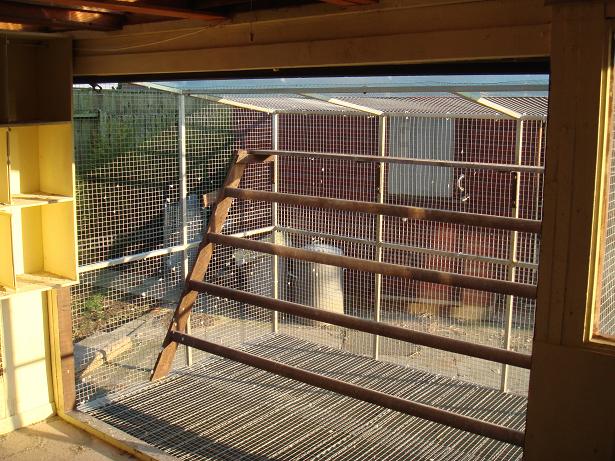
Inside the yb loft with the roller shutter open
What are your lofts made of and how big are they.
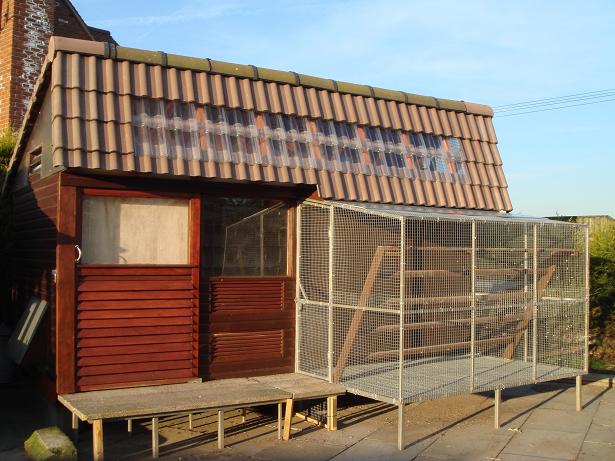
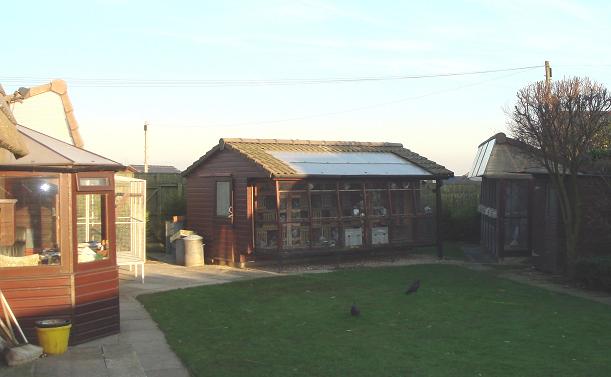
All the lofts are of wooden construction with tiled roofs this consists of a 48 x 8 foot old bird, a 16 x 8 young bird a 16 x 12 with aviary stock and a 21 x 6 aviary type stock loft that we can split into four sections. Both stock lofts have flagged floors, we also still have the last loft Dad built in the late fifties the only thing different is a new front. The old bird loft is split into 5 sections with a corridor running down the front of the four sections we use for old bird racing, each of these as twelve large nest boxes these being about 18 inches off the floor to allow for the chimney type vents underneath, each box is fitted with a shelf this is enables the hen to get out of the way when being driven and makes a good perch for the widowhood cocks. The fifth section is 8x8 we use this for a few young birds we let mature naturally; this section also connects to the widowhood hen’s aviary and dad’s old loft. We have just moved the young bird loft and replaced the roof with an off set apex type roof like the old bird loft, we have also added an 8x5 aviary to front with access to this through a roller shutter door this is also used to darken them down. The trapping to this loft was by means of two sputniks this as been altered to open door trapping to a trapping section and then a small bob hole at floor level to access the main loft.
Do you attach any importance to having a tiled roof on a loft, if so are there any benefits.
Yes; when we built these lofts we used the dry ridge type ridge tiles and didn’t use felt under the tiles this helps with the air flow in upper part of the loft, tiled roofs are also virtually maintenance free if.
Do you use any form of heating system in any of your lofts. Do you think it would be advantages for the birds?
No; the thoughts on this are they are pigeons not budgies, introducing any form of heating is asking for trouble we all wait for a cold snap in the winter to kill any bugs that are about, so why introduce the perfect breeding environment for all kinds of nasties that no loft wants.
The lookout
How do you control the ventilation in your loft?
We have always been of the opinion the lofts have to be as well ventilated as possible. With this in mind the stock lofts are wide open at the front and they have roof ventilation to create an airflow. The racing loft has louvers in the front, the eaves are open all round and we have chimney type vents under the boxes. The young bird loft has louvers along the back one at each side and two at the front, since going on darkness we have put two extractor fans in these come on for twenty minuets every hour during the darkness hours.
Do you have any grills fitted in the floor or in the boxes are there any advantages to using them.
No, pigeons are not comfortable on grills and again if they are not lifted and cleaned under regularly they can be a breeding ground for pests.
What families of pigeons do you keep?
We keep several different breeds the main strains are Van Reet, Willy Thas, Sierens, and Dearns cock this being bred by Brian Dearn from Darwin, his blood runs right through the loft we have never known his breed but if you have a bird of his calibre it doesn’t matter about a pedigree. We are a loft that use out crossing and never inbreed or line breed so there is a good mixture of all the breeds in the loft as well as pure.
Easterly or Westerly do you set any stall by the position and if so why.
Position counts as does’ the wind and of course drag, but if you don’t have a bird good enough and fit enough to win you can have all three and still not win.
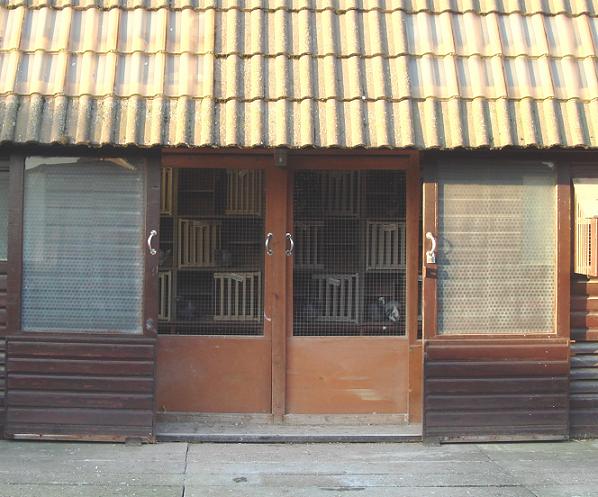
The main race loft with the doors open
BREEDING AND RACE PREPARATION/PLANNING
How do you go about bringing in a new family and what do you look for.
All the breeds we have tried from the Dordins and Pickavance to the Van Reets and Thas have come from good racing lofts that race in this country, the thoughts on this are if they are already winning over hear we have a sound footing to start with, but as said earlier we like to out cross so we do bring in birds just to try them in a cross but again only from good racing lofts.
When you bring in that new family do you think that they need time to acclimatise, if so how long.
We usually bring in young birds and put them straight to stock so they are not put under any stress by training and racing. They are kept as a family for the first year and then we pick some of there young to cross with what ever we select.
When looking for new pigeons do you look for a particular family, one for specialist races or club races or just by name.
We go on recommendation in the first place then if we like the type of bird it doesn’t matter about the name as long as they have come from a good racing loft we will try them.
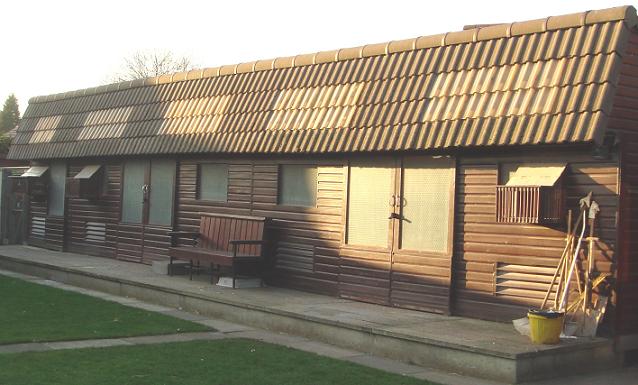
Main racing loft
Which of the two sexes do you consider is the most important when it comes to breeding?
They are both equally important.
Some fanciers like big hens for breeding does the size of the hen make any difference to the quality of youngsters that she breeds in your past experience.
No we have had good big cocks and hens and equally good small to medium ones as long as they are doing the job required it really doesn’t matter what size they are.
When it comes to breeding do you line-breed or use a first cross or just pair winners to winners.
We like to pair winners to winners regardless of breed, it doesn’t always work but we think you have more chance of breeding good birds this way.
Do you think that fanciers change for the sake of changing or do you think a loft can breed a winning team out and lose track of the winners.
We have seen lofts go down the prise list simply because they insist on keeping a breed that’s had it’s day, they have kept them pure for so long they end up with a loft full of inbred no hopers. You only have to look at the Belgians they will introduce birds from any winning loft and cross them with their own they will do this on a regular basis and win. Then you have the fanciers that are forever chasing the golden breed they know the pedigrees inside out but never seem to be able to form a team to compete with.
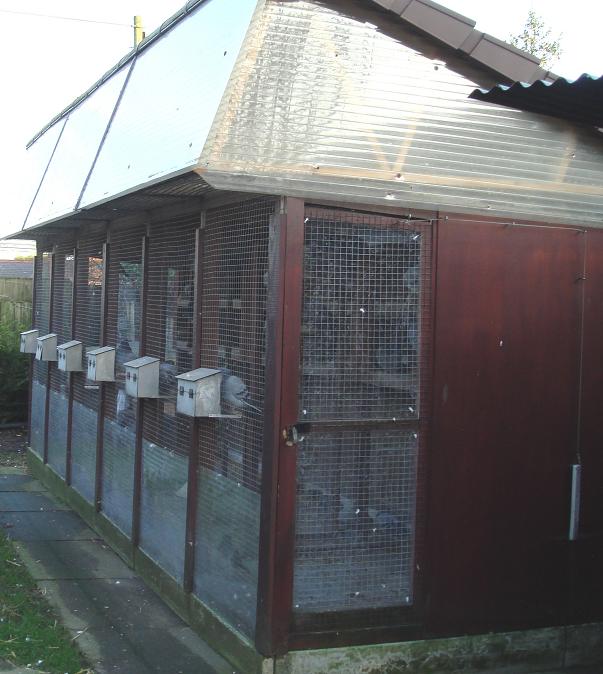
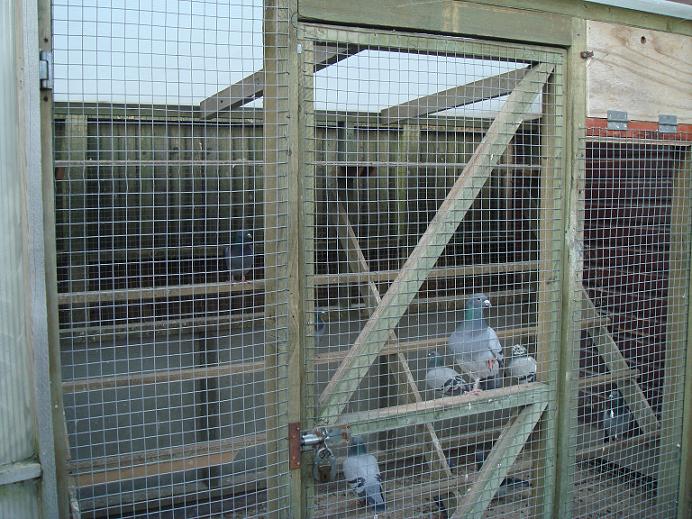
Main stock loft
What method do you use to select your breeders?
We like to put some young birds in the stock loft each year these are off the best racers and stock birds. We will also put retired racers to stock.
Did you find your best breeding pigeon by luck or judgment?
Our best two cocks at present one was one of our best racers and the other was bred in the stock loft off the best at the time and left in there.
What materials do you use for nesting
We put a handful of sand and lime and top this with shavings and then there’s plenty of straw put on the floor and then it’s up to them.
When do you pair your pigeons and why then.
We pair the widowhood and stock at the same time usually the third weekend in January, then because we find we can keep the widow cocks going until the last race.
Original loft built and raced to by Bob and Brian's father in 1959 at Thatto Heath
How many stock birds do you keep and do you breed off your race team also how many pigeons do you think that you need to breed off any individual stock pair each year to see if they are quality producers.
We like most fanciers end up keeping to many birds we are governed by nest boxes in the racing loft, but in the stock lofts it’s a different matter they will use the floor and in some cases before a box. With our method of leaving some young birds in the stock loft each year we do end up with far too many stock. The stock lofts have 24 boxes in one and 12 in the other so at any one time in the past we will have had about 30 pair, this was far too many but over the 5 or 6 years we have been committed to donating in excess of forty young birds out of the first round to different causes. We do breed off the race team and find some of the best young come off them. The last question is one of the reasons we end up with too many stock birds we only take one round off the majority, so it can take a couple of seasons for a good bird too prove it’s self. The last part of the question if they are already established and quality we like to float the first round so we can get 4 young off them then possibly change the pairing so we can try a different cock or hen.
Please explain the method used from pairing up until the first race.
Once the pairs are settled we like to get them out every day for at least 3 to 4 hours, we start training when the hens are on their second round of eggs. The hens are moved out when they have been sitting about fourteen days, this gets us to the first or second week in April. The cocks go on widowhood mix once the hens are moved by this time the training is down to 25 miles we then wait to see how the weather is fairing before we commit to sending our first race.Do you move the hens with the young birds?
No.
Stock loft for specific pairings
What is the farthest distance that you would train your old birds or young birds?
We train on average twice a week from 25 or 45 miles, in the past we have had a midweek toss with a Wednesday club putting them on as trainers on a Wednesday morning this was from 96 or 108 miles.
Do you breed off the top widowhood cocks after the racing has finished; do you breed late bred youngsters and what do you think of those later bred youngsters.
Yes we like to let them have a late nest it always seems to relax them and help’s them too go into a natural moult.
For every 50 pigeons that you breed realistically how many of them would win at 500mls, based on your past records.
Just look round and see how many 500 mile winners there are about and you will realise it’s probably how many you get out of 100 or even 200.
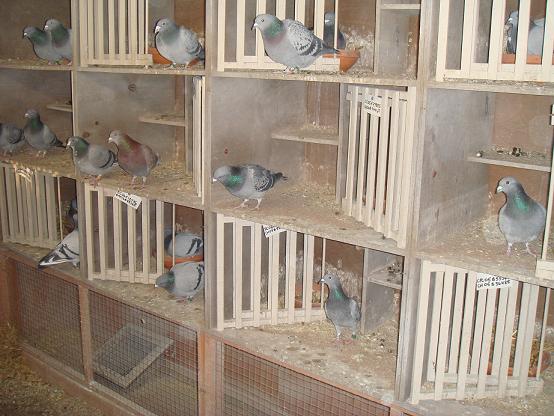
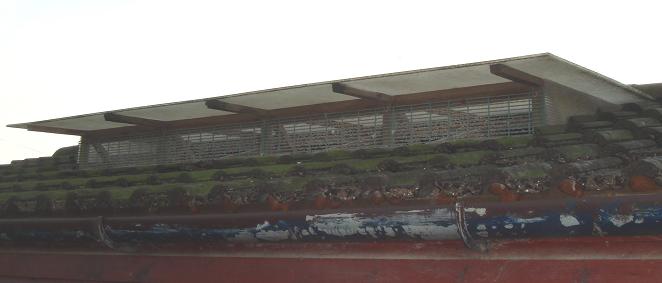
Ventilation chimney under the boxes in the racing loft
RACING
How do you race your pigeons and how many do you race.
Up to three years ago we raced both widowhood and natural but with time being at a premium we dropped the natural racing and just raced widow cocks. With Bob retiring last year we now have a bit more time, so this year we have raced 45 widow cocks and most of their hens have been raced
Do you compete in the National events, if not why not? Or are you happy to race in the club.
We had a spell where we didn’t compete in the NFC but the changes brought about, particularly by section L committee members convinced us to start sending again this we did three years ago. We have also joined the Midlands NFC this year sending in 3 races.
Do you ever think of competing for averages, if not why not?
The last time we did was in the eighties and this was when we were trying to win the section L averages, these we won in 1989 we have not competed for club averages for a number of years before then. Why not? I think the standard answer comes in hear you end up losing some good birds chasing averages.
Widowhood hens on poles
o you race your pigeons every week or do you prefer to condition them for a specific race.
We have always conditioned for channel races, so no they don’t go every week.
In your view do you think that a loft needs different pigeons for different distances?
When there was no channel racing the other year we where top prize winners in our Fed, this was with the same birds that we race the channel with. We do think though to win consistently over the channel your land performances will suffer, with that in mind it may not be that different pigeons are required but can one loft compete successfully at long and short racing with out keeping two teams.
Is there any specific condition that your pigeons perform best at, or any particular time of the year?
When racing natural our birds never see a young bird before the channel, the first channel race they go to we try to send them all deep sitting, after that it can be sitting again or just hatched or may be a 6 or 7 day old young bird. This is where observation comes in and the ability to spot the little things like the change in temperament when sitting.
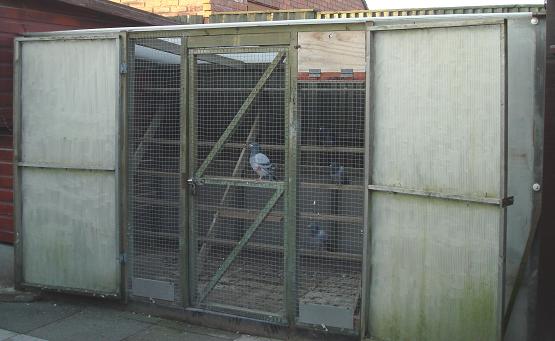
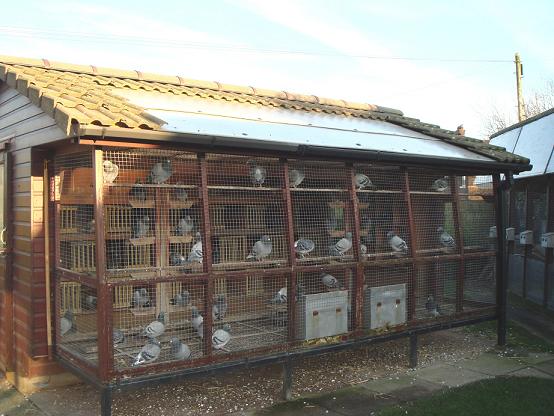
Widowhood hens' aviary
When do you allow your racers to take a bath?
Sunday if possible this is obviously depending on the weather and providing there is not a holdover.
Do you use any floor dressing or do you clean the pigeons out daily.
We have always used a lot of sand this we mix with lime, we have a perforated shovel that we use to take the bulk of the droppings out each day.
Do you like to have plenty of room for the pigeons?
Yes, the old bird loft is in four sections these are ten foot long with 12 boxes per section. This makes each box 30 inches wide giving enough room for 2 nest pans and there is a shelf so the roosting bird can roost in the box whilst the other bird sits.
R & B when they won the three races in the Lancs Social Circle
How do you feed the cocks and what do you feed them on, a branded mix or do you buy separate corns and mix your own.
During the racing season we feed a branded mix this being Bamfords or Bucktons widowhood mix with a diat mix for the morning feed. Winter we feed 50% farm bought beans barley and wheat with 50% branded corn.
Do you measure the amount that you give to each pigeon, or are they fed according to the individual pigeon.
Corn is never measured, over the last 2 years we have started to feed in the box but no birds are ever put under corn stress IE kept short for racing/trapping.
Do you attach any importance to grits and minerals or can the pigeons get what they want they are out of the loft.
Yes we have always used a basic grit along side black minerals.
Is there a way that your pigeons let you know when they are in form?
All our birds are treated the same they are trained and fed the same so they should all be in the same condition/form but as pigeon men, we know this is not the case we like to watch for anything out of the ordinary this can be anything from warm feet to a cock getting very aggressive to hens that don’t want to leave the nest box, observation is the key word.
Yb loft
Do you have any secrets about what you do with your pigeons and how you get them right?
Again there are no secrets and no portions that make them win, we stick to feeding and training them right and not over racing them.
Do the pigeons need any special treatment on their return from the race to help them relax? Is any such treatment needed for the short or long distance races or the hard races compared to the easy races?
With widowhood cocks we always show the hen on return, the harder the race the longer they have the hen. With natural birds it’s try to get them back sitting, the only thing we use in the water is a glucose and multi vitamin mix.
How many weeks do you think a pigeon can maintain its form on the widowhood system for both cocks and hens?
We have raced widowhood cocks from the 2nd or 3rd race right through until the last race this is around 10 or 11 weeks, 2007 is the first time we have raced widowhood hens and they only started racing at the beginning of May and with the restrictions on channel racing we didn’t have the chance to really give them a chance.
Stock loft
Does this include channel races or are the specified number of weeks for sprint races and do you think that a pigeon can be prepared at fortnightly intervals for the channel races.
This includes channel races; we do not have a set time in between channel races .We have raced them at 2 week intervals but only when the birds came through the first race looking good and showing no signs of stress.
If your race team went off form during the season what action would you take to restore their condition?
We have never really had the entire loft go of form at any one time, if we have had an individual go of form we will stop training and racing them until we think they look right. We then would start them training and try to get a good long toss into them if they come through this looking right they are back in the race team.
What happens when you are racing either widowhood or the roundabout when you have a bad race and lose a few from one sex, how do you continue with those pigeons that have lost their mate?
Never having raced roundabout we can’t comment on this, with widowhood we would just use the available hens and if necessary one hen would be used for a number of cocks.
Is a favourable loft location the single biggest factor in sprint racing.
Probably yes but drag is on the same par.
Ventilation in the stock loft
Do you treat pigeons differently with their preparation if they are to go to the bigger races whether National, Classic, Specialist club or open.
Not really we try to treat all the birds the same so if we need to make a last minute substitute they should be ready for the job in hand.
Do you think a pigeon has the capabilities of racing both short and long distance races? Also what distance can a pigeon actually still “RACE” as opposed to homing from any race point?
A lot of the better birds can and do win at short and distances up to 500miles, we have had a bird on the day from 610 miles this was on a quick day but the norm anything past 600 miles needs a different type of bird altogether.
What proportion of your pigeons gets better on subsequent trips to the long distance races and what do you call distance.
This again is an individual thing to put a number on this is virtually impossible, we have had birds that one year have raced better second time across then put in a top class race first time across the year after and that it’s only performance that year.
Which is the more difficult, establishing a team of sprinter’s or distance pigeons and why.
Distance; one bad race at the distance can finish your season or at least put you back weeks ,with sprinting unless it a smash it only takes days and at most a week or two to get them back in condition.
Sprinter or distance, there is no difference; it is all in the feeding.
There are birds that won’t do the channel and channel birds that won’t win a land race but a good distance loft will always manage to compete in the shorter races as shown when the channel racing was cancelled the other year.
If you could pass on one piece of advice or tip, at this point to fanciers old and young, what would it be?
Race the birds not the pedigree.
What problems do you think are most detrimental to race condition in modern day racing, both Old Bird and Young Bird?
Too many nights in the basket and sometimes not enough.
How far do you race your yearlings?
Again this depends on the individual bird we like to get them all across the channel at least once and the majority twice, the furthest we do send them is the Nantes distance this to us is 430 miles, past this in our opinion is a bit of a lottery for yearlings.
What races do you send your long distance candidates to before their chosen race?
In the past when we sent to 600 and 700 mile races every year we had some birds that didn’t need a channel race before going to 700 miles, again this is down to the individual bird. When we send to Nantes/Cholet with the NFC we can only get them down to 160 miles or thereabouts so this means a jump of 270 miles to us.
Where do you house your widow hens?
We have an aviary that can be closed at the front and butts up to two lofts at the sides and open at the back. There is also access to both lofts from the aviary so the hens can be chased through to the racing loft.
955 National Flying Club, Sennen Cove, 2nd section L, 2nd open.2006. Cholet, 2nd section 3rd open. 2007 St Malo, 230th open. 2006. Alencon, 5th section 244th open. 2007. North West Grand National 1st Section 3rd open. 2005.
Can you tell the readers you’re routine for preparing pigeons for the longer races? Do you look forward to the channel racing?
The loft is built around channel racing so yes we do look forward to the channel we don’t have a set routine as such it all depends on the weather when we start to train and race. If they have a few hard races or training tosses they will need less work and more food if the wind as been from the south we might take them north to make sure they have the time on the wing. I think most channel fliers have to alter there systems to suit the weather and the
YOUNG BIRDS
Young bird sickness is a problem; have you had this in your loft and if so what have you treated them with.
We have never had a problem with this; we put this down to using turkey starter crumbs in our rearing programme all birds are given around 30% of these whilst rearing this is reduced gradually through weaning until they are on corn only.
Do you race your young birds, if so how many races, if not why, do you think they are better off in the longer events if they are only raced lightly.
Yes we do; again they are treated as individuals so some will race the full programme and any open national or specialist races as well, that could mean some having 8 or more races some 4 or 5. We also keep a small team of natural young birds that are only trained so we have a choice at the end of season of experience and untried birds to select from. We have raced both at the distance and both have put up good performances.
What do you think the sport should do to change things for the better, in relation to your points made a couple of questions ago.
It would be very difficult to change anything; look at the fuss caused by electronic timing we have fanciers in this country that would stop any progress, on the other hand we have fanciers turned salesman who will tell you anything just to sell you there product. There are studs and individuals that sell birds for grossly inflated prices with a pedigree that looks like a Krufts champion; the only trouble is they have not seen a basket for 2 or 3 generations. How many Dutch or Belgian fanciers bother about a pedigree unless they are selling over hear on Treasure Island were the natives keep going back for more of the same.
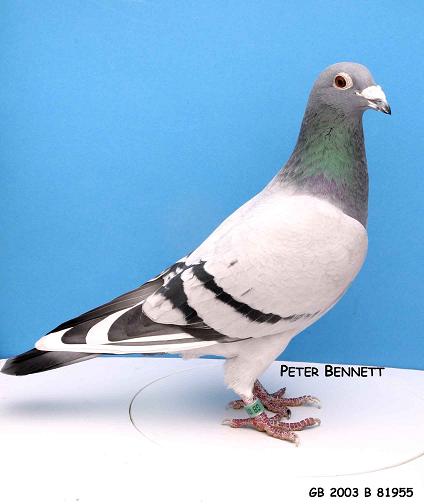
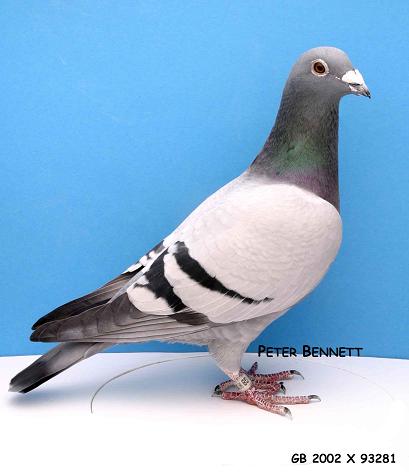
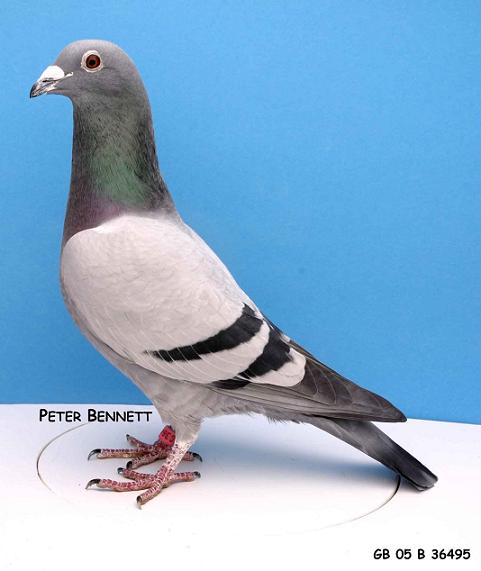
Blue Cock GB 02 B 93281 "81" Winner of. 1st club Swainswick. 2nd St Helens 3bird club Nantes. 3rd Eccles 2bird club Niort. 3rd Eccles 2bird club St Nazaire. 2nd Eccles 2bird Sennen Cove. 1st Eccles 2bird Alencon. 1st North Ashton 2bird championship club Messac. With the N.F.C. 24th section 457th open St Nazaire. 26th section 83rd open Sennen Cove. 95th section 250th open St Nazaire. 10th section 288th open Alencon. M.N.F.C. 2nd section 21st open Falaise. "81" is a son of our champion racer breeder Dearns cock he is also the sire of winners including GB 05 B 36495 1st club 1st fed Swainswick, 2nd St Helens 3bird club Cholet.
Do you use any preventative medication? If a pigeon goes ill do you try to put it right or does the bird have to go.
Only the turkey starter crumbs PMV vaccination and Ivomectin for worms and lice. When we have a problem we will treat the birds with the necessary specific sometimes with advice from some of our friends Rod Adams or Joe Xuereb from Malta.
Earlier in the article we discussed the wind direction, do you consider that good pigeons will win in any position.
When channel racing, yes good pigeons will win against the odds on short races the wind does come more into the equation along with drag.
Some fanciers go out and purchase good quality winning pigeons but never appear to make the grade, why do you consider that this happens.
A lot of fanciers cannot breed good young birds regardless of the stock they have and as said earlier a lot buy the pedigree and expect to win without putting in the work. This a twelve month a year sport, not just April to September and then retire to the pub and bookies as we know a lot of the armchair champions do. Then you have the ones that buy every product on the market that will make the birds win and have every excuse going when they don’t win.
Do you give any special treatments when the pigeons return from the race as a precaution against anything that they may have picked up in the basket?
No they get a glucose and multivitamin mix then clear water the rest of the week.
Do you use the darkness system for the young birds, if so for how long and do you think it affects them later in life.
Yes we have used this for several years now and the birds have carried on winning, we put them on darkness as soon as they are moved from the parents and take them off when it suits us, this as been as late as the week of the first race and never earlier than three weeks before.
Are there any feeding methods for the young birds i.e. do you break them down, do you keep them hungry for control purposes, do you give them a trapping seed mix.
We have never broken down old or especially young birds the thought being young birds need all the nourishment they can get to help them to grow and mature into good old birds, any faults in their make up as young birds will be shown ten fold when they get to the channel. We have always used a trapping mix.
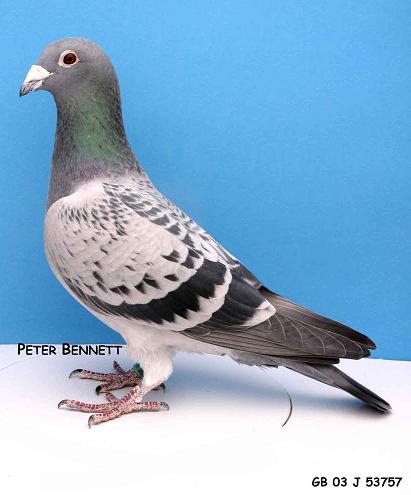
Cheq cock GB 03 J 53757. The Classic Cock. Winner of. 1st club 9th fed Swainswick. 2nd club 3rd fed Kempsey. 1st North West Classic club Sartilly. With the N.F.C. 4th section4th openSennen Cove. 11th section21st openSt Nazaire. 6th section107th openFougeres. 59thsection136th openCholet.57 is a pure bred Willy Thas bred by us from the stock we had from Geoff Farrell who in turn bought all of Graham White's stock including Annie and Dark Destroyer.
Do you attach any real importance to the pigeon’s wing i.e. back wing, end four flights and do you look at the wing to see if they have cast before a race. Any other comments on the wing.
With young birds before darkness it was always stop them when they have thrown seven or eight flights with the darkness they seem to over the top when they have thrown four.
If random drugs tests were carried out on your pigeons, would it reveal any substance, illegal or otherwise?
No unless there is something in a product that we are not aware of.
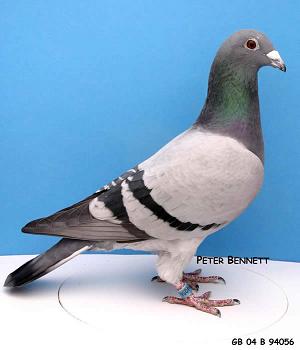
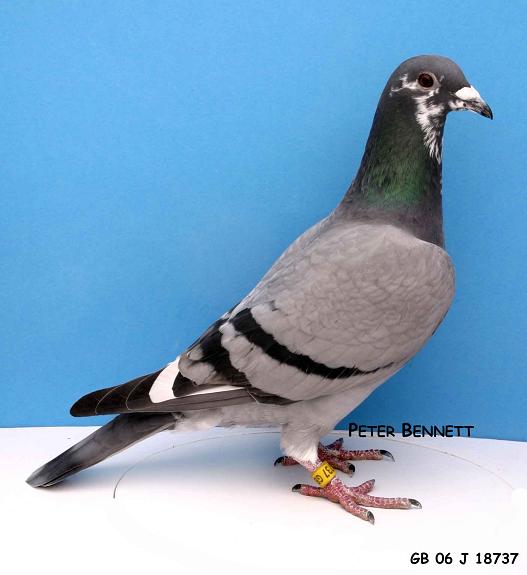
Blue cock GB 04 B 94056. "56"The Social cock. Winner of. 3rdclub Bath. 2ndSt Helens 3bird club Falaise. 1st Lancashire Social Circle Yelverton winning a centenary gold medal. 4th North West Nantes club Lessay. 3rd section5th openN.F.C. Cholet. "56" is also proving to be a top breeder being sire of GB 06 J 18737, winner of 1st club 1st fed Bath, twice 2nd in the North West Nantes Club open races from Portland, 6th North West Classic Portland, 5th Warrington 2bird Portland, 5th club 12 fed Hereford, 2nd club 2nd fed Mangotsfield, She is also the full sister to Blue Hen GB 07 N 59562 4th overall in the Andy Galley one loft race and purchased back by us.
THE MOULT/WINTER
What criteria do you set down for the pigeons you winter with your thoughts on the following seasons racing and breeding?
The old birds must come through the full channel programme with no signs of stress and hopefully with a position from a good race under their belt plus they must be consistent. The young that are raced the same rule no sign of stress even if they have had a bad race, which with young birds is inevitable. The young we don’t race selection is down to breeding, shape, size, and generally the type of bird IE if they take after their parents in quality.
Are there any special treatments that you give your birds once the season has finished what do you recommend the readers to do with the birds
The widowhood cocks that we are retaining are allowed to rear a round of late breds this we feel helps to relax them for a winter without their hens. We move the young cocks into the widowhood loft as soon after the last race as possible so they can pick their box; whilst this is going on they don’t go out as often. They are fed a good moulting and seed mix they also have free access to grit and black minerals there are no portions or any treatments used because in our minds the moult is one of the most natural things a bird can do all they need to perform this last task of the year is good food and water.
GB 07 J 18737. Winner of. 1st club 1st fed Bath, 2nd North West Nantes open young bird Portland. 2nd North West Nantes open young bird race Portland 2. [The loft also being 1st]. 6th open North West Classic Portland. 5th Warrington 2bird Portland. That's four Portland races and winning over £1,000 as a young bird, Portland being 200 miles to us.
What were the last four things that you put in your drinking water, when and why and did you notice any benefits.
Glucose and multivitamin mix that’s the only thing we use on a regular basis, we have used a probiotic when the weather as been really hot and the birds look dehydrated on return from a race. If there is any benefit to be found in the glucose multivitamin mix we don’t know but we do know it will not do them any harm.
If you could only give your pigeons one supplement what would it be.
Grit.
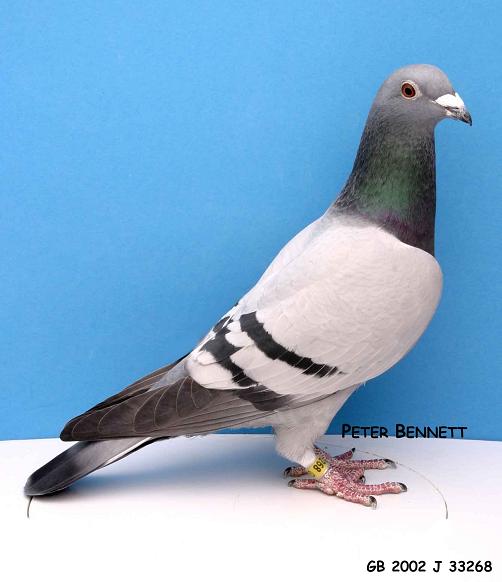
Blue hen GB 01 J 33268. "Saintes hen" Winner of 1st Eccles 2bird Saintes only bird on the day. This hen was injured twice so she was put to stock where she is proving to be a gold mine just like her mother. One son Blue cock GB 06 B 88720 was 8th section 110th open N.F.C Fougeres 2007.
GENERAL
Irrespective of how your pigeons have flown, what are your views on the past season whether good or bad or the management of the sport in general.
With the channel programme being interrupted again we feel there is a need for the RPRA to start a winter programme of discussions with the relevant government departments, if possible this should include speaking to the French. Also the skills and knowledge that abound in the rank and file of the fancy could be used to help our plight. One of the better things to come out of the season is the great improvements made by the NFC this being made possible by the fantastic generosity of Brian and Cornelia Long.
Taking into account distance, which is more difficult racing to your area, is it; a case of a 600ml race is a 600ml race regardless of competition or route.
Tarbes is 700 miles to us so this is the most difficult, but the most competitive race is probably Niort and Saints with the North Ashton 2 bird.
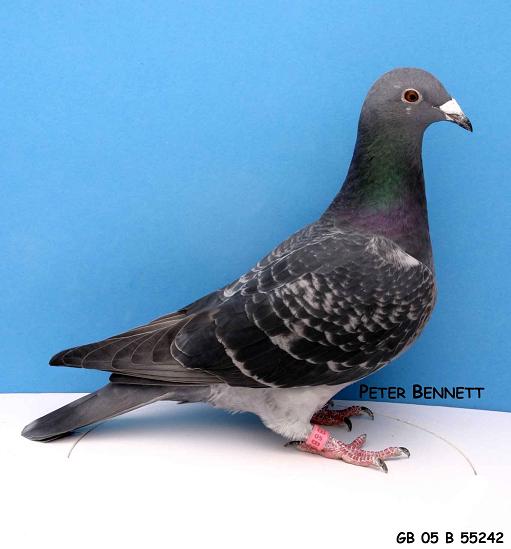
Dark Cheq hen GB 05 B 55242. Winner of 1st club 1st fed 1st combine Portland. 1st club Mangotsfield. "42" is bred from the best of our Geoff Farrell Willy Thas these being obtained whenGeoff purchased all of Graham White's stock of Thas birds.
Which fancier has influenced you most, in the way in which you fly your pigeons?
We consider ourselves very lucky hear because our Dad was one of the best stock men and conditioner of pigeons we have ever seen, we also had uncles that where good pigeon men. This along with racing in the same clubs as men like the Pickavances old Sam young Sam and Jim, the Sixsmiths Danny and Eddie, then in specialist clubs along side Jack Cropper, Dick Baldwin, Alan Bullen and probably the best secretary we have ever come across this being Lol Whittle, with the present day John Schofield who not only races a good bird but as made our fed the envy of the area this being achieved by himself with a lot of hard work.
Which Champion pigeons over the years have left an impression on you and perhaps influenced your direction in the sport.
Our first North West Nantes winner was a dream pigeon but for racing and breeding consistency it would have to be 002 bred by D&E Sixsmith and raced by T J Lofts. In our own loft it would be Dearns cock a great winner on the road he is now proving to be a phenomenal stock cock.
Blue cock GB 05 B 36495. Winner of 1st club 1st fed Swainswick. 2nd St Helens 3bird club Cholet on a very hard day. "95" is the sire of GB 06B 87137 2 x 1st club as a young bird for Rod Flint and Fred Hodkinson of Newton. "95" is a son of our champion blue cock "81" 1st North Ashton Messac 21st M.N.F.C Falaise ECT and is a son of our Dearns cock.
Whenever I have visited a loft fanciers always look at the pigeon’s eye. Do you consider that the eye has any importance in (a) the breeding, (b) distance races (c) sprint races? (d) The pigeon’s health. Or do you steer clear of the subject and if so why.
We have never put any importance to eye sign.
Who do you consider being the best fanciers in the Country and for what reasons?
This is not so simple you have fanciers that only sprint race and they are champions in here own area, you have good distance men that only race in the club/ fed / combine, then you have the great national and specialist flyers so to name one or two would be unfair.
What do you think can be done to take the sport forward?
The sport is in decline to stop this is virtually impossible; to improve the present set up might slow down the decline. Things like the amalgamation of smaller clubs and feds would make for better racing, I.E bigger birdage, less pick ups for transporters this would also mean fewer officials to find at the A.G.M. The way the N.F.C is heading will go a long way help the fanciers with channel racing, feds and combines should start looking at adopting the channel programmes of these larger organisations like the N.F.C and the M.N.F.C.
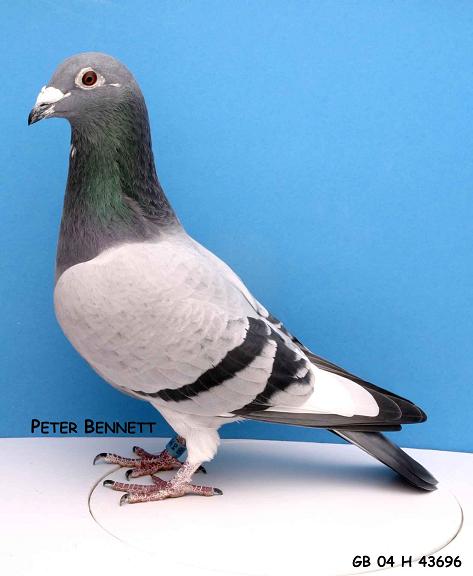
Blue pied cock GB 04 H 43696. Winner of 1st St Helens 3bird {the loft took the first three in this race} 2nd club 2nd fed Wincanton. 2nd club 10th fed Yeovil. His sire is GB 02 J 31825. 1st St Helens 3bird Portland, 1st club 2nd fed 2nd combine Swaiswick, 1st club Mangotsfield 2nd club Cheltenham. His sire being 97 L 37252. Bred by WA Mardon from Record who is the nest mate to Toey.
What percentage do you consider it takes to win with racing pigeons for Management and pigeons and why.
You can give good birds to an average fancier and he will win with them, but can they breed good birds from these to create a family, we have found over the years that it takes a good fancier to do this, so in these cases it is at least 60/40 to the pigeon. Top class fanciers go year in year out winning they introduce new birds and blend them into there family of birds and carry on winning, they fly in any opposition not just the local clubs and feds and win, in these cases it’s 60/40 the fancier.
What past mistakes have you learned from?
Overcrowding especially young birds.
Who or what motivates you to remain successful?
The birds in the racing loft are more than enough to motivate us; just thinking about racing them next year keeps us going.
What qualities do you think must be present for a fancier to be classed as a top fancier and at what level must he/she have achieved results to be rightfully so-called a “Champion”.
There are several kinds of champions in pigeon racing from club champion to fed champion and so on, in the area we fly this being the north west of England we have a lot of two bird clubs, winning in these along with the classics nationals create what we consider true champions, fanciers that can hold there own with the best in the country.
Do you think winning fanciers should move on from club racing once they have reached a certain level of consistency? Are club performances paramount for personal satisfaction or sales purposes?
We have always tried to compete at the highest level we can, this sometimes to the detriment of club performances, there are a lot of fanciers selling pigeons on the back of some very questionable club results.
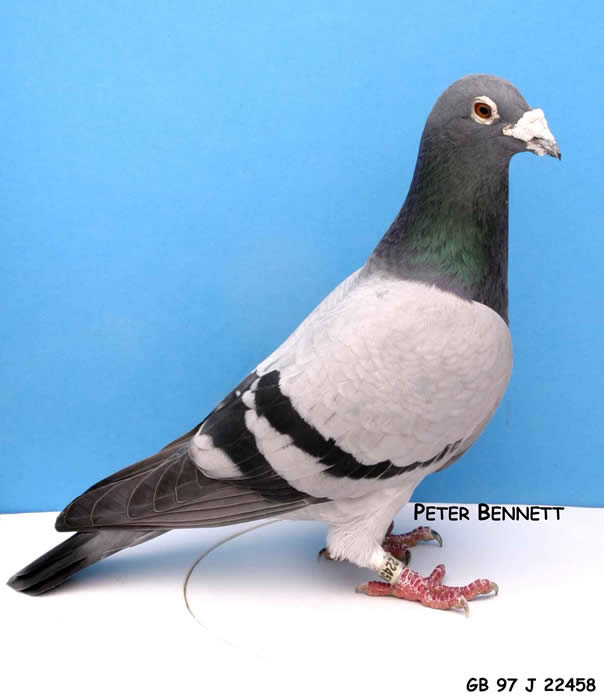
Blue cock GB 97 J 22458 Winner in the club of 3rd Cheltenham, 3rd Wincanton, 2nd Seaton 2nd Seaton 1st Swaiswickand 1st fed. He excelled in specialist racing being 7th North West Nantes 2bird club Nantes,St Helens 3bird. 3rdVire 11th Nantes, Wigan 2bird. 5th Sartilly, 1st Vire. At stock he is the sire of several birds to win 1st club 1st fed and birds to win 1st combine and score in national and specialist racing. The photograph was taken when he was ten years old.
To term a phrase are you a professional pigeon fancier and do your circumstances make a big difference.
Bob retired in 2006 after working 25 years as a warehouse and distribution manager, leaving this job to run his shops this being a 7 day a week job. Brian worked in engineering for 10 years and then 25 years in the glass industry being made redundant 6 years ago he is now working as a support worker working with people with server learning difficulties and mental health problems. We are both married with children Bob also with grand children so you can see we have both had to juggle our lives around to race our birds. So no we cannot be classed as professional fanciers.
You are successful fanciers, there are far too many leaving the sport, to encourage fanciers to either join or stay in the sport what do you think about limiting prizes to two per race per loft. If not Why. If yes Why.
As stated in an earlier answer we live in an area that abounds with two bird clubs we are members of all the ones we are in the radius for, this in itself puts racing on a more even keel. We would go along with any prize limits as long as it is done for the benefit of the ordinary fancier, not to make it easier for some to win more prizes so as to make the next advert look better.
Is pigeon racing as a hobby going beyond the average working man? Is it becoming too technical and complicated or can you keep everything simple and still win with the pigeons.
We keep racing very simple we don’t follow any fads, we don’t go chasing wins at any cost, we don’t look to a bottle for a win and we don’t run to the vet when we don’t win for week or two.
What is your view on pigeon "moots" or "panels", are they over played and outdated and what do you think may bring as much or more interest to the quiet season when racing is not taking place?
We both enjoy going to these and we have both been involved with the organising of them and both been on panels, we have seen some panels that you could listen to all night, and some that can only tell you what to give the birds to win or to keep them healthy? Overall though if the panel are good racing/stock men and you have your questions ready it is well worth attending these.
What do you think about the vaccination programme for the pigeons and do you think it affects the pigeons long term.
We have not experienced any long term problems, but we have only ever vaccinated for P.M.V we have never been drawn into the other vaccines that seem to be the fad at the moment.
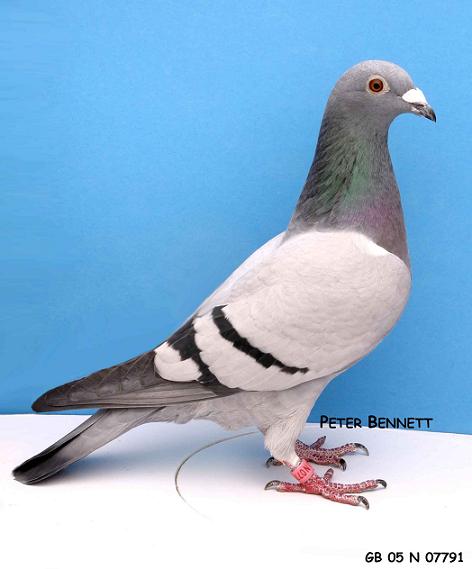
Blue hen GB 05 N 07791. 5th section 21st open N.F.C. and 1st Eccles 2 bird young bird Fougeres race 358 miles. "91" was not raced in 2006 she was injured in 2007 and retired to stock having some of our best Van Reets in her breeding these being Bobs Return 1st North West Classic. Blue pied cock "49" 1st North Ashton 2 bird championship club Niort 500mls. The Ian Axe Hen. This hen along with the Adam and Eve lines of Dave Allen and the Mardon Record lines are mainly responsible for the success of our Van Reets over the last twenty years this young hen is steeped in the best of these lines.
What do you think of veterinarians in the UK and have you had any dealings with them.
The last time we sent a swab and dropping sample to a vet we took them from a young bird that was obviously suffering from respiratory problems so much so we euthanized the bird after taking the swab to save it any more suffering, the results came back negative saying there was nothing wrong with the sample. That was about six years ago since then if we call on Rod Adams or Joe Xuereb from Malta.
How do you consider that the British sport is going compared to the continentals and do they have any ideas that you think would benefit the sport in the UK?
We don’t know enough about the continentals other than they treat pedigrees like we do, it seems the British are the only ones obsessed with these bits of paper. The old saying that was attributed to George Busschaert when I purchase a bird it goes into my loft it is then a Busschaert we all should learn from this.
What is your view on pigeon shows and showing?
We don’t show birds but it can be a very good winter pastime, the same level of commitment is needed to keep show pigeons in top condition as is needed for racing.
Do you read many magazines/Articles, if so which type of article do you find interesting and why.
Yes we both read both weekly’s and will read any distance related articles and any national specialist or local write ups
What aspect of the sport interests you the most?
Breeding, as always been a favourite of ours we take great pleasure in producing good birds that regardless of breed, win or score in the top competition for us or for others.
Is there anything that you do not like about the sport, something that you feel needs changing for the good of the sport?
As stated earlier it’s time clubs and feds started to get together to form larger clubs and feds etc.
If you went into another fanciers loft and were given the opportunity to leave with a pair of pigeons, how confident would you be that you had selected the best pair, or in other words do you consider that you are a good judge of a pigeon.
We have always thought ourselves as good judges of pigeons but if we go to any fanciers loft we would always ask their advice before selecting any birds and in most cases leave the selection to them.
Is your loft of pigeons as strong as it was 5yrs ago?
Probably stronger we have improved the lofts, we have wider stock base with less pigeons and a good age range in the racing loft.
Do you have any further comments about anything that we may have missed in any area of the sport?
Being involved in the sport for over fifty years we have seen the sport change so much it at times it doesn’t seem the same, not until Saturday afternoon when the birds are liberated the loft is cleaned, the drinkers changed, the corn bucket full, the kettles on and the wait begins just the same as fifty years ago.
LJP. Thanks to Bob And Brian for answering the questions and we hope that someone somewhere has gained some information that will help them in the coming season.
20/2/08