PAGES FROM THE PAST
Part 2
Early winners of the BICC revisited
by Gareth Watkins
In the second in this series of articles on past winners of the BICC in the years following the club’s formation I would like to highlight the birds and methods of Fear Brothers of Clandown near Bath and Cyril Wells of Ramsgate.
FEAR BROTHERS
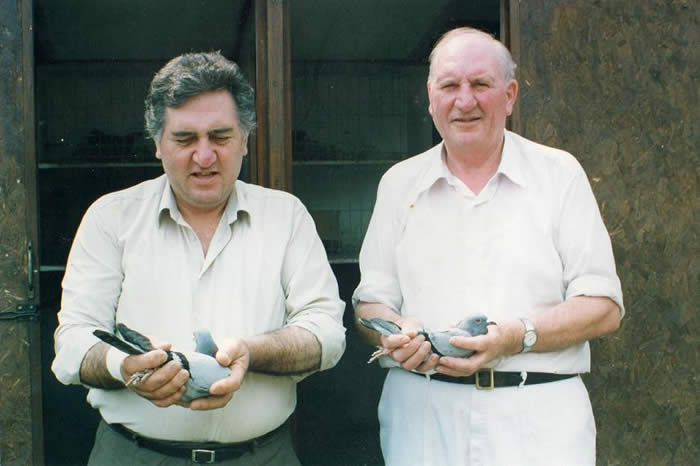
Sam & Roly
The Fear brothers, Sam and Roly, were two of the most successful fanciers in the West Country during the 60s, 70s and 80s and in the 1979 old bird season alone, won the following prizes in National races:-
1st BBC Palamos.
1st NFC Pau & King’s Cup.
1st & 2nd BICC Barcelona.
Their lofts were home built by Roly who was a carpenter by trade, with the emphasis on complete dryness and excellent ventilation. The outside of the loft was creosoted annually and the interior was treated to an annual face lift with lime wash. All floors within the loft were covered with a thin layer of sand which was cleaned daily.
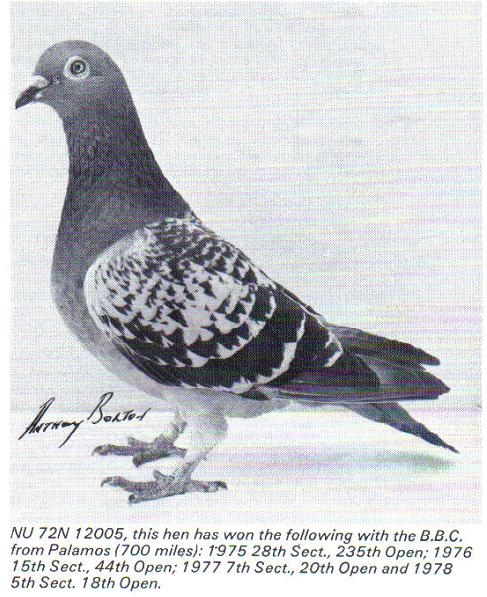
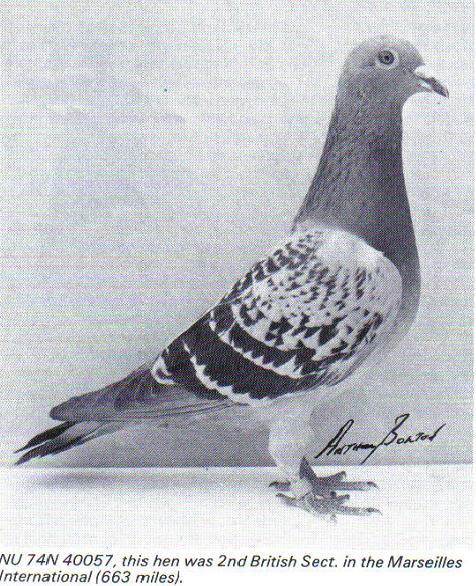
The foundation stock had to originate from a good source of PROVEN long distance pigeons. To this end Sam and Roly introduced birds from Bert Thatcher of Radford with later introductions coming from Bob Legg of Seaborough in Dorset, the latter being of Logan base. If the brothers attended a sale and saw a pigeon of outstanding long distance type and pedigree then they were not averse to trying out the odd introduction but it had to have impeccable long distance credentials before it was deemed fit to enter the brothers’ loft.
FEEDING
At the start of the year the Fear brothers fed the birds on a mixture of farm beans, Hormoform and a little linseed. The feed changed slightly in February with a good strong high protein mixture of beans, peas, tares and Hormoform hand fed to the birds each day. By early March when the birds were mated, the mixture fed had changed again to two parts beans and one part Homon pellets fed in a communal hopper with the addition of a high carbohydrate mixture fed in pots in the nest boxes.
All pairs were expected to be able to rear a pair of youngsters without showing any signs of stress. If any did show distress when rearing then a black mark was placed beside them because as the brothers reasoned if a pigeon couldn’t rear a pair of young birds without showing stress when being pampered in their home loft then they were unlikely to be able to stand the stress of flying 500-700 miles successfully.
As a result of the late time of mating the early races were competed in using just the cock birds but once the hens were down on their second round of eggs they were then put into training and were soon competing in the later inland races in preparation for the cross channel campaign. The brothers liked to start the birds off with short training tosses until they were sure that the birds had got the hang of things after their long winter lay off. They were extremely patient fanciers as witnessed by their treatment of their winner of the 1979 Barcelona race. This hen had made a mess of a 97 mile race from Plymouth in the early part of the 1978 season and took some weeks to return. This resulted in the brothers putting her to one side for the remainder of the season before going on to win the BICC Barcelona race the following season.
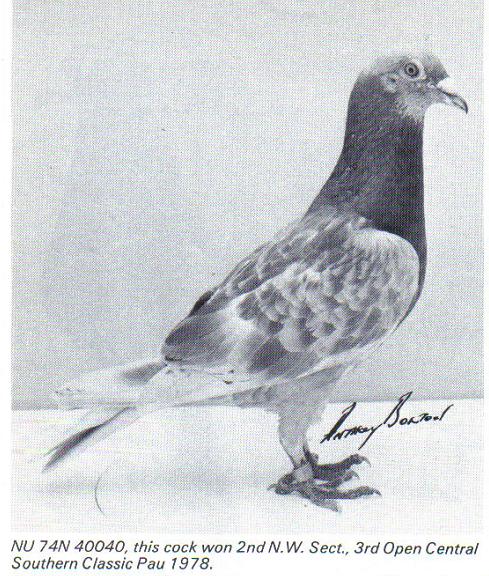
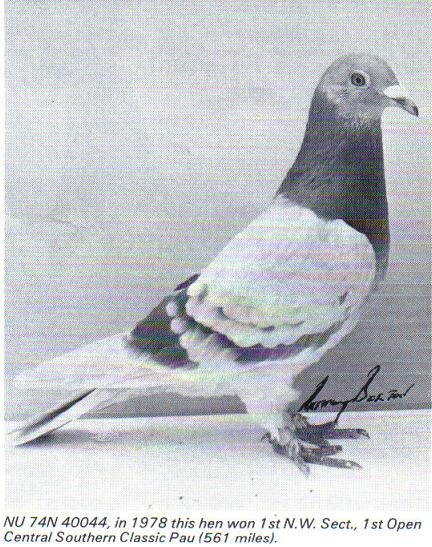
Sam and Roly were also careful to only train their birds on good days and liked to use local open races in their preparation of their long distance candidates. The birds also had regular 40/50 mile tosses from Weymouth on the South coast and were only sent to long distance races when the brothers were 100% certain of their fitness to do the job in hand. If fit, the bird’s nest condition was not taken into account as the brothers relied on fitness, experience and the love of their home loft to bring the racers home in good time.
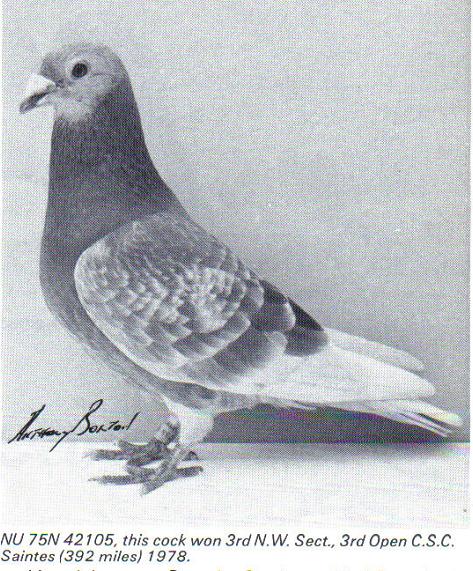
YOUNG BIRDS
Once the young birds were clearing away from the loft for long periods when at exercise then their education would begin starting in stages at 3, 5, 10 and 20 miles. Following this gentle introduction to the basket the youngsters received one or two supplementary 30 mile trainers before their first taste of the race basket. The brothers liked to train the babies on most days throughout the week so long as the weather was favourable and the youngsters were in good feather. Remember this was before the advent of the darkness system and youngsters were invariably raced on the natural system in various stages of the moult.Feeding for the young birds was a good sound mixture of beans, peas, tares and maize with the addition of Homon pellets and Hormoform plus a little seed as an incentive for quick trapping.
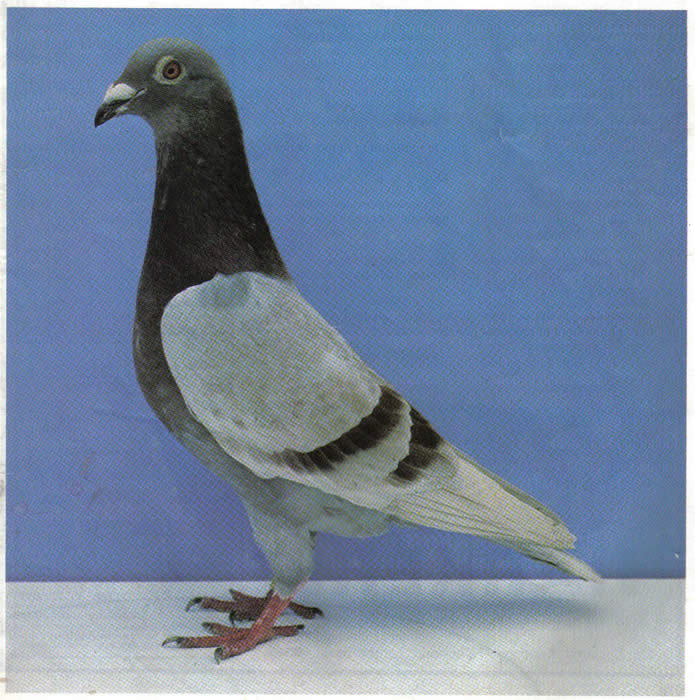
Clandown - 1st open NFC Pau in 1979
The Fear brothers were outstandingly successful fanciers and their birds went on to win wherever they went for many fanciers under various systems of management. Thus proving that the hard work of selection and refining a superb family of long distance racers had been done by Sam and Roly and the lucky purchasers were the beneficiaries of two master fanciers’ lifetimes work.
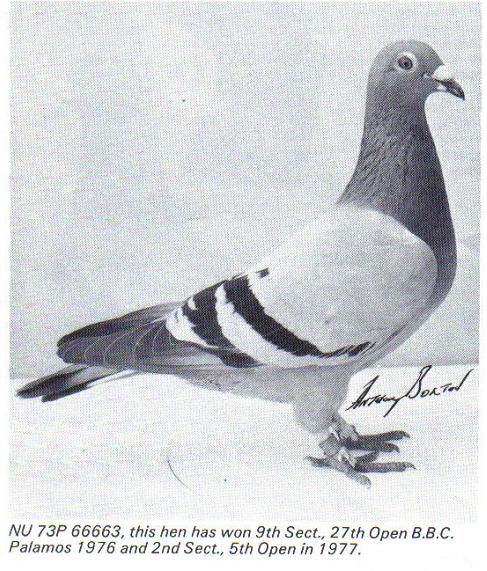
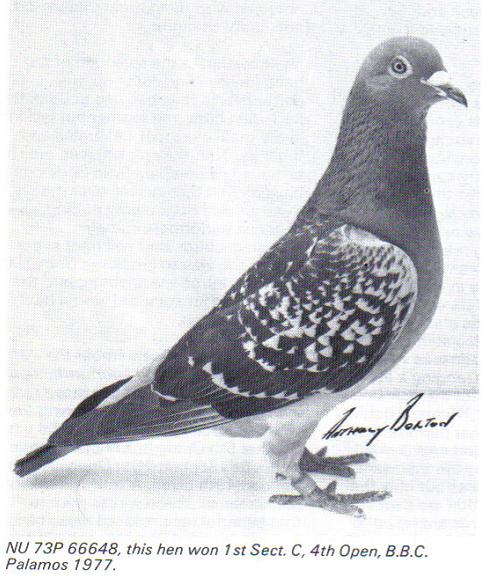
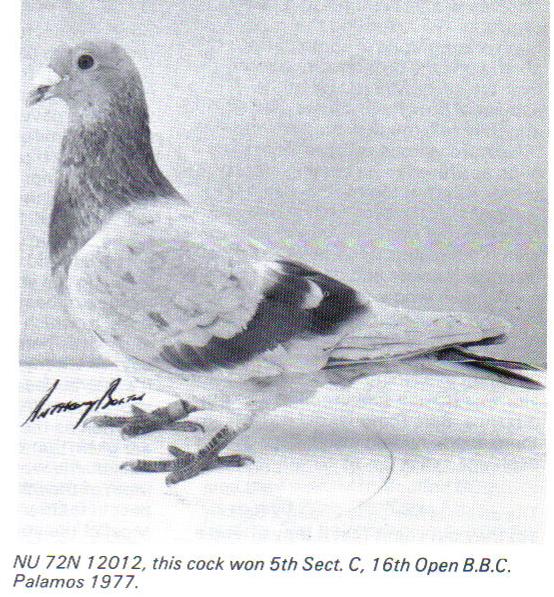
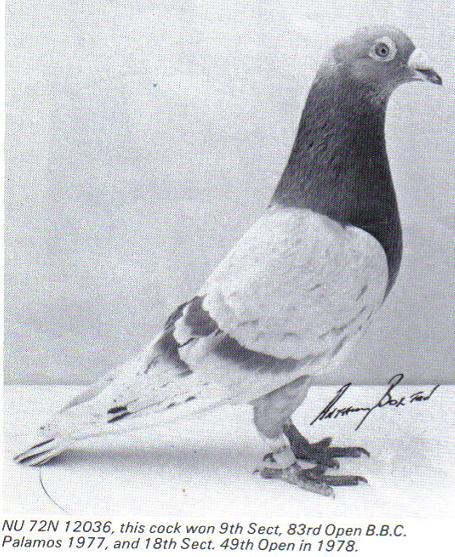
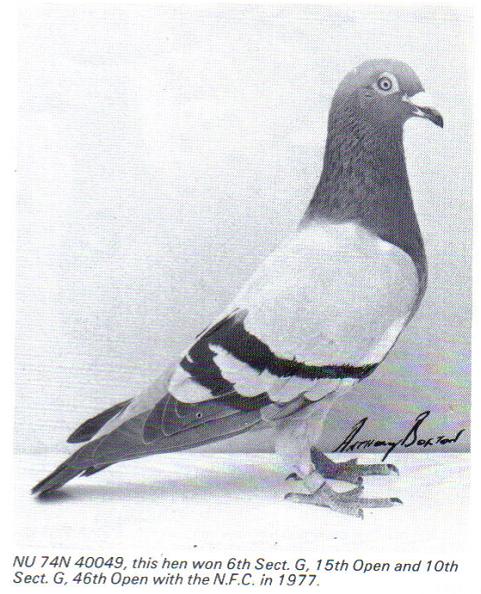
CYRIL WELLS of RAMSGATE
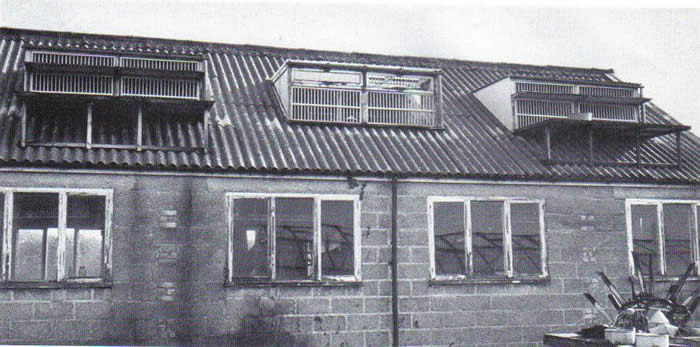
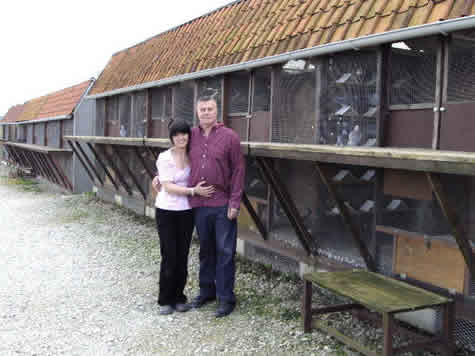
Cyril Wells' old bird loft
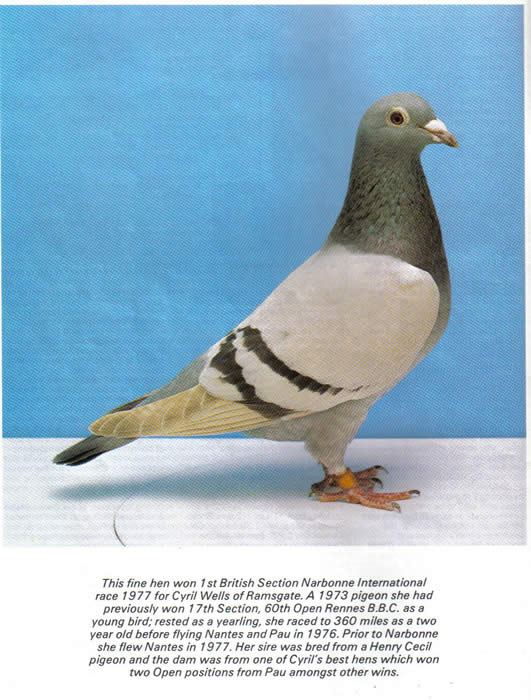
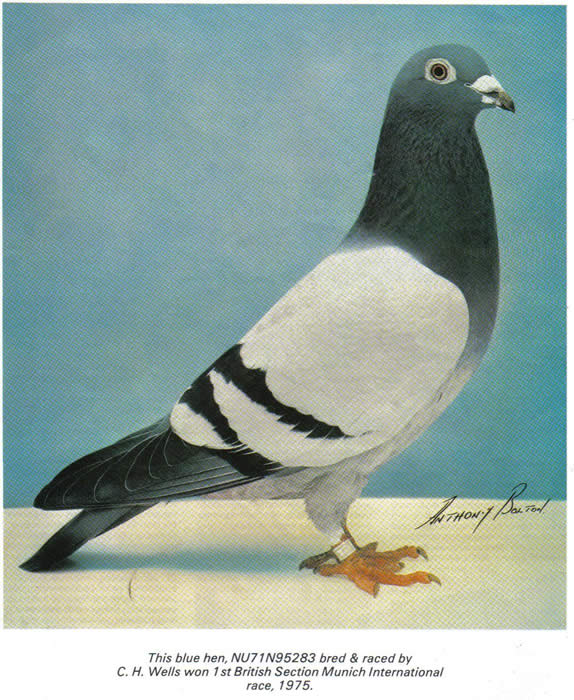
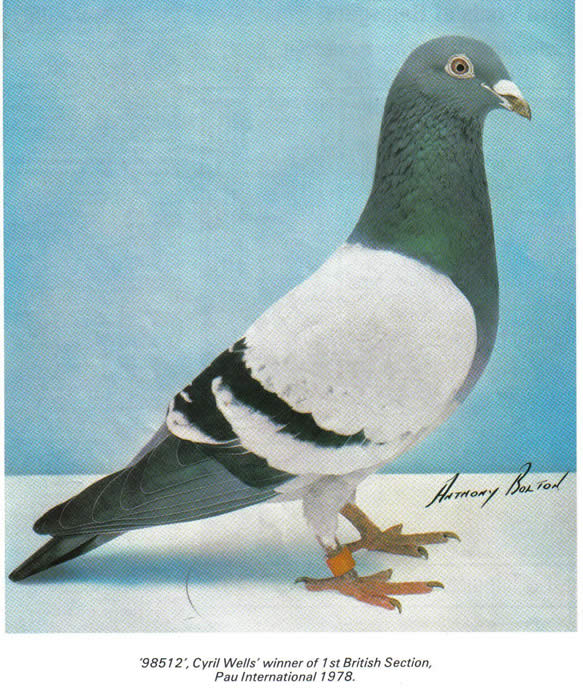
Performances such as 1st British Section Munich International in 1975, 1st Narbonne 1977, 1st BICC Pau International 1978 and 2nd BICC Narbonne 1978 made Cyril Wells one of the most successful British fanciers in the early years following the formation of the BICC. Like the Fear Brothers, Cyril was convinced that to succeed at the distance you had to have “the tools for the job” i.e. pigeons bred from generations of proven long distance stock. Secondly, when you entered in long distance International races the birds had to have sufficient experience and Cyril liked three year old or older pigeons for these International trials. Third, he also believed that the birds had to be individuals and not flock followers so that they were not afraid to break from the main group and fly many miles on their own. Last but not least, the birds had to be provided with a happy and content home environment if they were to achieve their full potential at the distance as when the chips are down it is this inbred love of home allied to a strong genetic make up that drives the tiring racer homewards.
THE BEGINNING
Cyril Wells won the first race he ever entered so was a novice for only a very short time as far as winning races was concerned. His initial stock came via local fanciers Bill Fright and Fred Mackins and these were bolstered by the introduction of Barkers from Henry Fuller of Margate, Newslad blood via Jack Boyle of Ashford, S.P.Griffiths Logans from Alf Hancock and some top class birds from Stan Cecil containing the bloodlines of Catalonian Prince, Robin Redbreast and Aragon Lass. The final piece in the jigsaw was the introduction of the great Fairlight King blood from George King of Hastings along with some birds from Archie Howland of Folkestone. One of the best of the Fright pigeons was a pied hen of Osman/Barker/Lamotte bloodlines which was a big winner on the road through to Barcelona.
THE LOFTS
The main old bird racing loft was situated in the eaves of a large block built shed with the stock birds occupying the ground floor. Young birds were housed in a wooden loft a little further away from the main loft and Cyril maintained a team of around 160 pigeons through the winter months. A deep litter of dried droppings was used in all lofts with the scraper only brought into use sporadically. The racers were allowed an open loft to come and go as they pleased ranging the local countryside for miles around. Apart from a brief period of separation between January and March the birds were allowed together for most of the year and their only periods of confinement occurred during this period of separation.
The Wells system of management was totally focussed on long distance International racing and as such the young bird team was raced hard through to Penzance in the far south west of the UK with additional channel racing from Rennes with the NFC young bird National. As yearlings they were expected to be able to handle NFC Nantes at 320 miles before going to Pau NFC at 560 miles as two year olds. Long distance candidates were brought along quietly with no more than three races plus plenty of 20-30 mile tosses prior to their tilt at the distance. Cyril liked to train his birds in all directions thus sharpening their homing ability.
Cyril Wells abhorred pieds and would suppress any youngsters in the nest if they showed any sign of white in their plumage. He also liked birds with extremely long wings which reached to the end of the tail. All pairs were allowed to rear a single youngster in their first nest as Cyril believed a pigeon could not achieve racing form if it had not had the opportunity to rear at least one young bird in its home loft.
Youngsters, unlike their parents, were kept to a strict routine of exercise and feeding and did not receive their first training toss until two weeks before the first young bird race. The first toss for the babies, which had been ranging the countryside for the previous months on their daily periods of freedom, was usually from 30 miles followed by daily tossing thereafter.
All birds were fed on a home made mixture containing beans, peas, tares with the addition of mixed seeds in the build up to a long distance race. Cyril found that the seed mixture seemed to bring the racers into form at the right time. On return from a race the birds were always given a light feed of rice.
Cyril Wells
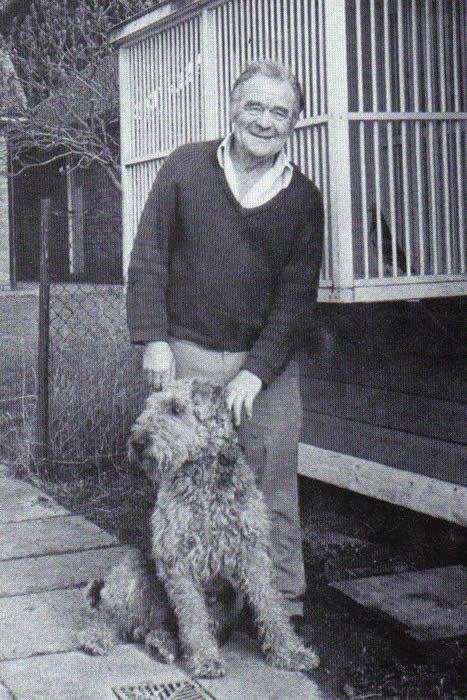
Finally, a quote from Cyril: “The only person who fails in life is the one that never tries” and until you try International racing you haven’t lived!